Unveiling The Secrets Of Unsent Messages: Discoveries And Insights
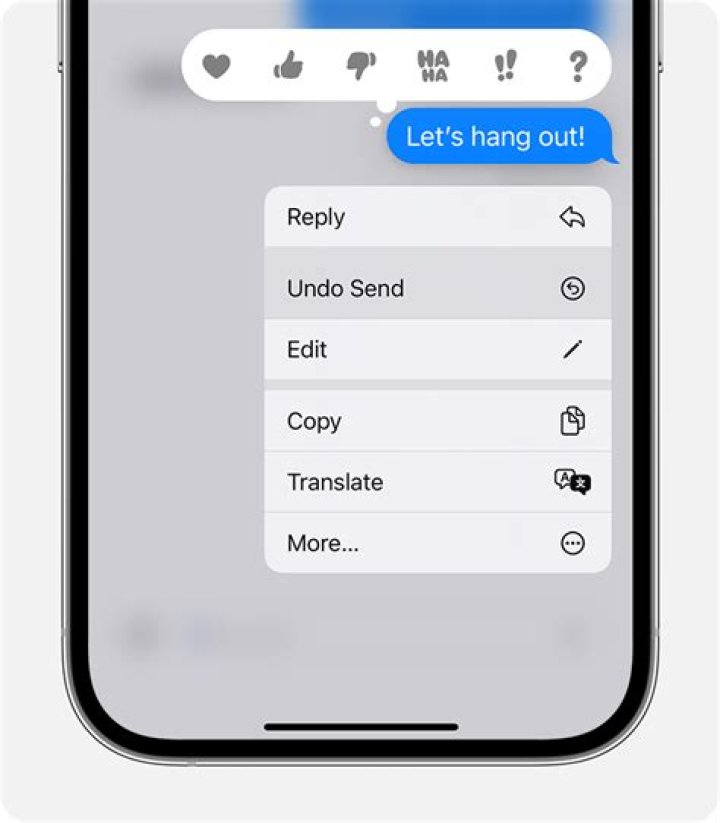
An unsent message to Sophia is a literary device used to express unspoken thoughts and emotions, often addressing a specific individual.
These messages can explore a range of themes, including love, loss, regret, and longing. They provide a unique outlet for writers to convey innermost feelings that may be difficult to express directly. Unsent messages allow for a level of vulnerability and introspection that can be cathartic for both the writer and the reader.
Throughout history, unsent messages have been a popular form of self-expression. Many famous writers have used this technique, including Emily Dickinson, Franz Kafka, and Sylvia Plath. In recent years, the rise of social media has led to a resurgence in the popularity of unsent messages, as people use online platforms to share their thoughts and feelings with a wider audience.
Unsent messages can be a valuable tool for personal growth and self-discovery. They can help us to process our emotions, understand our motivations, and connect with others on a deeper level.
Unsent Message to Sophia
An unsent message to Sophia is a literary device that explores unspoken thoughts and emotions, often addressed to a specific individual. Key aspects of this literary device include:
- Expression: Unsent messages provide a unique outlet for expressing innermost feelings.
- Catharsis: They offer a release for emotions that may be difficult to express directly.
- Self-Discovery: Unsent messages can facilitate personal growth and self-understanding.
- Connection: They allow for a deeper connection with others, even if the message remains unspoken.
- Vulnerability: Unsent messages require a level of vulnerability, revealing the writer's innermost thoughts.
- Ambiguity: The unspoken nature of these messages leaves room for interpretation and imagination.
- Regret: Unsent messages can explore feelings of regret or longing for what could have been.
- Hope: Despite remaining unsent, these messages can offer a glimmer of hope for connection or resolution.
Unsent messages have been used throughout history by famous writers such as Emily Dickinson, Franz Kafka, and Sylvia Plath. In recent years, the rise of social media has led to a resurgence in their popularity. They provide a valuable tool for self-expression and can offer insights into our own emotions and motivations.
Expression
In the context of "unsent message to Sophia," this facet highlights the primary function of unsent messages as a means of expressing unspoken thoughts and emotions. Unsent messages offer a safe and private space for individuals to explore their innermost feelings without the fear of judgment or repercussion.
- Emotional Release: Unsent messages provide an emotional outlet, allowing individuals to process and release intense emotions such as love, grief, anger, or regret.
- Introspection: The act of writing unsent messages encourages self-reflection and introspection, helping individuals to gain a deeper understanding of their own thoughts and feelings.
- Catharsis: Through the expression of unspoken emotions, unsent messages can provide a sense of catharsis, offering relief and healing.
- Creative Expression: Unsent messages can also serve as a form of creative expression, allowing individuals to explore their thoughts and emotions through the written word.
Overall, the facet of "Expression" underscores the importance of unsent messages as a valuable tool for emotional processing, self-discovery, and creative expression, contributing to the overall significance of "unsent message to Sophia."
Catharsis
In the context of "unsent message to Sophia," the cathartic nature of unsent messages plays a significant role in understanding their therapeutic value. Catharsis, in this context, refers to the release and purging of pent-up emotions through the act of writing and expressing oneself.
Unsent messages provide a safe and private space for individuals to process and release difficult emotions that they may find challenging to express directly. By putting their thoughts and feelings into words, individuals can gain a sense of relief and emotional release. This cathartic process can contribute to improved mental health and well-being.
For example, an individual may struggle to express feelings of grief or anger towards a loved one. An unsent message can serve as a means to release these emotions, allowing the individual to process and come to terms with their feelings without having to confront the other person directly.
The cathartic aspect of unsent messages highlights their importance as a tool for emotional regulation and self-care. By providing a safe and private outlet for the expression of difficult emotions, unsent messages contribute to the overall significance of "unsent message to Sophia" as a literary device with therapeutic benefits.
Self-Discovery
In the context of "unsent message to Sophia," the self-discovery aspect highlights the introspective and reflective nature of unsent messages. They offer a unique opportunity for individuals to explore their inner thoughts, emotions, and motivations.
- Introspection: Unsent messages encourage individuals to delve deeply into their own thoughts and feelings. By writing down their innermost emotions, individuals gain a clearer understanding of their motivations and desires.
- Emotional Awareness: The process of writing unsent messages fosters emotional awareness. Individuals become more attuned to their own feelings and develop a deeper understanding of their emotional landscape.
- Self-Reflection: Unsent messages promote self-reflection, allowing individuals to analyze their own actions, beliefs, and values. This self-examination can lead to personal growth and a better understanding of one's own identity.
- Self-Acceptance: Through the act of writing unsent messages, individuals can come to terms with their own flaws and imperfections. This self-acceptance can contribute to a stronger sense of self-worth and a more positive self-image.
Overall, the self-discovery facet of unsent messages emphasizes their value as a tool for personal growth and self-understanding. By providing a safe and private space for reflection and introspection, unsent messages contribute to the overall significance of "unsent message to Sophia" as a literary device with therapeutic and developmental benefits.
Connection
In the context of "unsent message to Sophia," the facet of connection highlights the ability of unsent messages to bridge emotional distances and foster a deeper connection between individuals, even without direct communication.
- Emotional Intimacy: Unsent messages can create a sense of emotional intimacy between individuals, allowing them to share their innermost thoughts and feelings without fear of judgment.
- Empathy and Understanding: The act of writing unsent messages can foster empathy and understanding between individuals, as they gain insight into each other's perspectives and emotions.
- Shared Experiences: Unsent messages can serve as a means to share experiences, both joyful and challenging, creating a sense of connection and shared humanity.
- Non-Verbal Communication: The unspoken nature of unsent messages emphasizes the power of non-verbal communication, allowing individuals to convey emotions and intentions through the written word.
Overall, the connection facet underscores the role of unsent messages in building emotional bridges between individuals, contributing to the overall significance of "unsent message to Sophia" as a literary device that facilitates deeper connections and shared experiences.
Vulnerability
The vulnerability inherent in unsent messages is a defining characteristic that contributes significantly to the essence of "unsent message to Sophia." This vulnerability stems from the writer's willingness to lay bare their innermost thoughts and emotions, often without the protection of direct communication.
The act of writing an unsent message requires a level of courage and openness, as the writer exposes their true feelings and perspectives without the guarantee of a response or the possibility of reciprocation. This vulnerability creates a profound sense of intimacy and authenticity, allowing the writer to connect with their own emotions and experiences on a deeper level.
In the context of "unsent message to Sophia," this vulnerability plays a crucial role in conveying the writer's unspoken desires, regrets, and aspirations. By revealing their innermost thoughts, the writer invites the reader into their emotional world, creating a powerful and evocative experience.
Furthermore, the vulnerability embedded in unsent messages highlights the importance of self-expression and emotional honesty. It encourages individuals to embrace their own emotions and perspectives, fostering a deeper understanding of the human condition.
Ambiguity
In the context of "unsent message to Sophia," ambiguity plays a significant role in shaping the meaning and impact of these messages. The unspoken nature of these messages creates a space for interpretation and imagination, allowing readers to engage with the text on a deeper level.
The ambiguity inherent in unsent messages stems from the absence of direct communication. The writer's thoughts and emotions are left unsaid, inviting readers to fill in the gaps and create their own interpretations. This ambiguity allows for a more nuanced and personal experience, as readers can bring their own experiences and perspectives to the text.
For example, an unsent message to Sophia may hint at a secret love or a deep regret. The reader is left to speculate on the specific details and motivations behind the message, creating a sense of mystery and intrigue. This ambiguity can be a powerful tool for conveying complex emotions and experiences that may be difficult to express directly.
Furthermore, the ambiguity of unsent messages highlights the importance of imagination and interpretation in the literary realm. It encourages readers to become active participants in the creative process, using their own imaginations to bring the text to life.
In conclusion, the ambiguity inherent in "unsent message to Sophia" is a vital component that contributes to the depth and richness of these messages. It allows for multiple interpretations, fosters imagination, and invites readers to engage with the text on a personal level, enriching the overall literary experience.
Regret
In the context of "unsent message to Sophia," regret emerges as a powerful emotion that shapes the nature and impact of these messages. Unsent messages often serve as a vehicle for expressing unspoken regrets, allowing individuals to confront and process missed opportunities or unfulfilled desires.
- Confronting the Past: Unsent messages provide a safe and private space for individuals to confront their regrets and acknowledge the paths not taken. By putting their feelings into words, they can gain a clearer perspective on their past actions and decisions.
- Exploring Missed Opportunities: Unsent messages allow individuals to explore missed opportunities and express their longing for what could have been. Whether it's a missed chance at love, a career un pursued, or a relationship left unresolved, unsent messages offer an outlet for these unspoken regrets.
- Cathartic Release: The act of writing unsent messages can be cathartic, providing a sense of release and healing. By acknowledging and expressing their regrets, individuals can let go of the emotional burden associated with them and move forward with a lighter heart.
- Personal Growth: Unsent messages can contribute to personal growth by allowing individuals to reflect on their regrets and learn from their mistakes. Through this process, they can gain a deeper understanding of themselves and make more informed choices in the future.
In conclusion, the facet of regret plays a significant role in the context of "unsent message to Sophia." Unsent messages offer a valuable outlet for individuals to confront their regrets, explore missed opportunities, and experience cathartic release. By providing a safe and private space for emotional expression, unsent messages contribute to personal growth and healing.
Hope
In the context of "unsent message to Sophia," the glimmer of hope offered by these messages is a significant aspect that contributes to their overall impact and significance.
- Expression of Longing: Unsent messages often serve as a means to express unfulfilled desires and yearnings. By putting their hopes and aspirations into words, individuals can find solace and a sense of connection, even if the message remains unsent.
- Emotional Release: The act of writing unsent messages can provide emotional release and catharsis. By acknowledging and expressing their hopes, individuals can let go of the emotional weight associated with them and open themselves up to the possibility of healing and resolution.
- Connection with Others: Unsent messages can foster a sense of connection with others who have experienced similar emotions and aspirations. Through shared experiences and unspoken understandings, individuals can find comfort and support in the knowledge that they are not alone in their hopes.
- Inspiration and Motivation: Unsent messages can serve as a source of inspiration and motivation. By revisiting their hopes and aspirations, individuals can reignite their passions and find the strength to pursue their dreams.
In conclusion, the hope inherent in unsent messages is a powerful force that contributes to their therapeutic value and significance in the context of "unsent message to Sophia." These messages offer a glimmer of hope for connection, resolution, and the fulfillment of aspirations, providing individuals with a safe and private space to express their innermost thoughts and emotions.
FAQs on "Unsent Message to Sophia"
This section addresses common concerns and misconceptions surrounding the literary device of "unsent message to Sophia." It provides informative answers to frequently asked questions, offering a comprehensive understanding of its significance and usage.
Question 1: What is the primary purpose of an unsent message to Sophia?
Unsent messages to Sophia serve as a literary device for expressing unspoken thoughts and emotions, often addressing a specific individual. They offer a private outlet for individuals to explore their innermost feelings, process complex emotions, and confront regrets or missed opportunities.
Question 2: How do unsent messages contribute to personal growth and self-discovery?
The act of writing unsent messages encourages introspection and self-reflection. By putting their thoughts and feelings into words, individuals gain a deeper understanding of their own motivations, desires, and emotional landscape. This process can lead to personal growth, increased self-awareness, and a stronger sense of self.
Question 3: What is the significance of vulnerability in unsent messages to Sophia?
Vulnerability is a defining characteristic of unsent messages, as they require the writer to lay bare their innermost thoughts and emotions without the protection of direct communication. This vulnerability creates a sense of authenticity and intimacy, allowing the writer to connect with their own feelings on a profound level and fostering a deeper understanding of the human condition.
Question 4: How does ambiguity contribute to the impact of unsent messages?
The unspoken nature of unsent messages creates an inherent ambiguity that invites readers to engage with the text on a deeper level. The absence of direct communication allows for multiple interpretations and encourages readers to fill in the gaps with their own experiences and perspectives, enriching the overall literary experience and fostering a sense of mystery and intrigue.
Question 5: What is the role of regret in unsent messages to Sophia?
Unsent messages often serve as a vehicle for exploring feelings of regret or longing for what could have been. They provide a safe and private space for individuals to confront missed opportunities, unfulfilled desires, and past decisions. Through this process, individuals can gain a clearer perspective on their past actions, let go of emotional burdens, and find opportunities for growth and healing.
Question 6: How do unsent messages offer a glimmer of hope?
Despite remaining unsent, these messages can offer a glimmer of hope for connection, resolution, or the fulfillment of aspirations. By expressing their hopes and desires, individuals find solace and a sense of release. Unsent messages can also foster a sense of community and shared experiences, providing individuals with the knowledge that they are not alone in their hopes and dreams.
In conclusion, unsent messages to Sophia play a significant role in literature, offering a unique and powerful means of expressing unspoken thoughts, emotions, and experiences. They contribute to personal growth, self-discovery, and a deeper understanding of the human condition, highlighting the importance of vulnerability, ambiguity, regret, and hope in the exploration of the human psyche.
Tips for Crafting Unsent Messages to Sophia
Unsent messages to Sophia offer a unique opportunity for self-expression and emotional processing. By following these tips, you can harness the power of this literary device to gain deeper insights and cultivate personal growth.
Embrace Vulnerability: Unsent messages require a level of vulnerability, as they reveal your innermost thoughts and emotions. Allow yourself to be open and honest, expressing your feelings without fear of judgment.
Explore Complex Emotions: Unsent messages provide a safe space to explore complex emotions such as love, loss, regret, and longing. Give yourself permission to delve into these emotions and examine them from different perspectives.
Use Figurative Language: Enhance the impact of your unsent messages by incorporating figurative language. Metaphors, similes, and personification can add depth and nuance to your expressions.
Consider the Unspoken: Unsent messages often convey more through what is left unsaid. Pay attention to the spaces between the lines and allow the reader to fill in the gaps with their own interpretations.
Find Solace in Ambiguity: The unspoken nature of unsent messages creates an inherent ambiguity. Embrace this ambiguity and allow it to add layers of meaning and mystery to your writing.
Revisit and Reflect: Unsent messages can be revisited and reread over time. Take advantage of this opportunity to reflect on your growth and the evolution of your emotions.
By incorporating these tips into your unsent messages to Sophia, you can create powerful and evocative pieces that facilitate self-discovery, emotional healing, and a deeper understanding of the human condition.
Unsent messages to Sophia offer a valuable tool for personal expression and introspection. By embracing vulnerability, exploring complex emotions, and utilizing literary devices, you can unlock the full potential of this literary form and embark on a transformative journey of self-discovery.
Conclusion
An unsent message to Sophia is a profound and evocative literary device that delves into the realm of unspoken thoughts and emotions. Through the exploration of vulnerability, ambiguity, regret, and hope, unsent messages provide a unique outlet for self-expression and emotional processing.
This literary form encourages introspection, fosters personal growth, and deepens our understanding of the human condition. By embracing the power of unsent messages, we can unlock hidden depths within ourselves and connect with others on a more meaningful level.
Unveiling The Timeless Enchantment Of "Lady Mabelle Once Upon A Mattress"
Uncover The Secrets Of The Legendary "Johnny Sins Bus Driver"
Unleash The Secrets Of Kurobuta Ribs: A Flavorful Journey Of Discovery
How To Check Unsent Messages On Instagram Discover How To See Deleted
The Unsent Project — Rora Blue