Unveiling The Secrets Of "I Think You Should Leave Punch": A Comprehensive Exploration
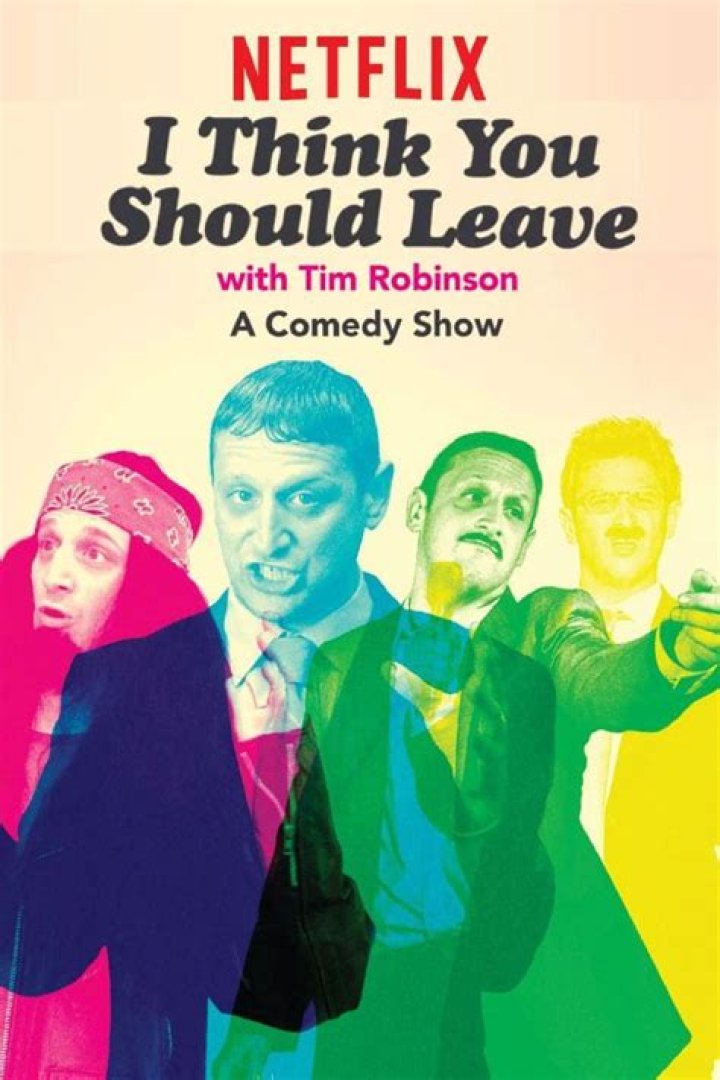
"I think you should leave punch" is a catchphrase popularized by the sketch comedy series I Think You Should Leave with Tim Robinson. The phrase is typically used to end a sketch on an absurd or unexpected note, often leaving the viewer with a sense of unease or discomfort.
The phrase has become popular in internet culture, and is often used as a reaction image or meme. It has also been used in various other contexts, such as in advertising and music.
The phrase "I think you should leave punch" is notable for its simplicity and its ability to generate a strong reaction from viewers. It is a versatile phrase that can be used in a variety of contexts, and it is likely to continue to be popular for years to come.
I Think You Should Leave Punch
The phrase "I think you should leave punch" is notable for its simplicity and its ability to generate a strong reaction from viewers. It is a versatile phrase that can be used in a variety of contexts, and it is likely to continue to be popular for years to come.
- Concise: The phrase is short and to the point, making it easy to remember and repeat.
- Ambiguous: The phrase can be interpreted in a variety of ways, which adds to its comedic value.
- Absurd: The phrase is often used in unexpected or nonsensical situations, which makes it even more funny.
- Versatile: The phrase can be used in a variety of contexts, from social media to advertising.
- Popular: The phrase has become increasingly popular in recent years, thanks in part to its use in the sketch comedy series I Think You Should Leave with Tim Robinson.
- Memorable: The phrase is likely to stick in people's minds long after they hear it.
- Relatable: The phrase taps into a universal human experience of feeling awkward or uncomfortable in social situations.
- Cathartic: The phrase can be used to express a range of emotions, from frustration to relief.
The phrase "I think you should leave punch" is a powerful tool that can be used to make people laugh, think, and feel. It is a versatile phrase that can be used in a variety of contexts, and it is likely to continue to be popular for years to come.
Concise
The conciseness of the phrase "I think you should leave punch" is one of the key factors that contributes to its popularity and effectiveness. The phrase is short and to the point, making it easy for people to remember and repeat. This is important because the phrase is often used in unexpected or nonsensical situations, so it is important for people to be able to recall it quickly and easily.
For example, in one sketch from the show I Think You Should Leave with Tim Robinson, a character is trying to get rid of a guest who has overstayed their welcome. The character tries various methods to get the guest to leave, but nothing works. Finally, the character simply says, "I think you should leave punch." The guest is so taken aback by the absurdity of the statement that they immediately get up and leave.
The conciseness of the phrase "I think you should leave punch" is also important because it allows it to be used in a variety of contexts. The phrase can be used to end a conversation, to get someone to leave, or simply to express one's feelings of frustration or discomfort. The versatility of the phrase makes it a powerful tool that can be used in a variety of situations.
In conclusion, the conciseness of the phrase "I think you should leave punch" is one of the key factors that contributes to its popularity and effectiveness. The phrase is easy to remember and repeat, and it can be used in a variety of contexts. This makes it a versatile and powerful tool that can be used to make people laugh, think, and feel.
Ambiguous
The ambiguity of the phrase "I think you should leave punch" is one of the key factors that contributes to its comedic value. The phrase can be interpreted in a variety of ways, which allows it to be used in a variety of contexts and for a variety of comedic effects.
For example, the phrase can be interpreted as a polite way of asking someone to leave, or it can be interpreted as a more aggressive way of telling someone to leave. The ambiguity of the phrase allows the comedian to play with the audience's expectations and to create a sense of surprise or discomfort.
In one sketch from the show I Think You Should Leave with Tim Robinson, a character is trying to get rid of a guest who has overstayed their welcome. The character tries various methods to get the guest to leave, but nothing works. Finally, the character simply says, "I think you should leave punch." The guest is so taken aback by the absurdity of the statement that they immediately get up and leave.
In this sketch, the ambiguity of the phrase "I think you should leave punch" is used to create a sense of surprise and discomfort. The audience is not sure how to interpret the phrase, which makes the guest's reaction even more unexpected and funny.
The ambiguity of the phrase "I think you should leave punch" also allows it to be used in a variety of other comedic contexts. For example, the phrase can be used to create a sense of irony or to poke fun at social conventions.
In conclusion, the ambiguity of the phrase "I think you should leave punch" is one of the key factors that contributes to its comedic value. The phrase can be interpreted in a variety of ways, which allows it to be used in a variety of contexts and for a variety of comedic effects.
Absurd
The absurdity of the phrase "I think you should leave punch" is one of the key factors that contributes to its comedic value. The phrase is often used in unexpected or nonsensical situations, which makes it even more funny. This is because the absurdity of the phrase creates a sense of surprise and discomfort, which is often the basis of humor.
For example, in one sketch from the show I Think You Should Leave with Tim Robinson, a character is trying to get rid of a guest who has overstayed their welcome. The character tries various methods to get the guest to leave, but nothing works. Finally, the character simply says, "I think you should leave punch." The guest is so taken aback by the absurdity of the statement that they immediately get up and leave.
In this sketch, the absurdity of the phrase "I think you should leave punch" is used to create a sense of surprise and discomfort. The audience is not sure how to interpret the phrase, which makes the guest's reaction even more unexpected and funny.
The absurdity of the phrase "I think you should leave punch" also allows it to be used in a variety of other comedic contexts. For example, the phrase can be used to create a sense of irony or to poke fun at social conventions.
In conclusion, the absurdity of the phrase "I think you should leave punch" is one of the key factors that contributes to its comedic value. The phrase is often used in unexpected or nonsensical situations, which makes it even more funny. This is because the absurdity of the phrase creates a sense of surprise and discomfort, which is often the basis of humor.
Versatile
The versatility of the phrase "I think you should leave punch" is one of the key factors that contributes to its popularity and effectiveness. The phrase can be used in a variety of contexts, from social media to advertising, which makes it a powerful tool for comedians and marketers alike.
On social media, the phrase "I think you should leave punch" is often used as a reaction image or meme. This is because the phrase is short, concise, and easy to remember, making it ideal for use in online conversations. The phrase can be used to express a variety of emotions, from frustration to amusement, and it can be used in a variety of contexts, from everyday conversations to political debates.
In advertising, the phrase "I think you should leave punch" can be used to create a sense of urgency or to encourage viewers to take action. For example, a company might use the phrase "I think you should leave punch" in an ad for a new product or service. This would create a sense of urgency and encourage viewers to visit the company's website or store to learn more.
The versatility of the phrase "I think you should leave punch" is a key factor in its popularity and effectiveness. The phrase can be used in a variety of contexts, from social media to advertising, which makes it a powerful tool for comedians and marketers alike.
In conclusion, the versatility of "I think you should leave punch" is a key factor in its popularity and effectiveness. The phrase can be used in a variety of contexts, which makes it a powerful tool for comedians and marketers alike.
Popular
The sketch comedy series I Think You Should Leave with Tim Robinson has played a significant role in the recent surge in popularity of the phrase "I think you should leave punch." The show, which premiered in 2019, features a variety of absurdist sketches that often end with the catchphrase "I think you should leave punch." The show's unique brand of humor has resonated with audiences, and the catchphrase has become a popular way to express a sense of frustration or discomfort.
The popularity of I Think You Should Leave with Tim Robinson has helped to introduce the phrase "I think you should leave punch" to a wider audience. The show has been praised for its originality and its ability to generate both laughter and discomfort. The catchphrase has become a symbol of the show's unique brand of humor, and it has been used in a variety of contexts, including social media, advertising, and even political commentary.
The popularity of the phrase "I think you should leave punch" is a testament to the power of comedy to influence popular culture. The phrase has become a shorthand way to express a variety of emotions, and it has been used in a variety of creative ways. The phrase is likely to continue to be popular in the years to come, as it continues to be used in new and innovative ways.
Memorable
The phrase "I think you should leave punch" is memorable for a number of reasons. First, it is short and concise, making it easy to remember and repeat. Second, it is unexpected and nonsensical, which makes it more likely to stick in people's minds. Third, it is often used in funny or absurd situations, which makes it even more memorable.
- Simplicity: The phrase "I think you should leave punch" is short and to the point, making it easy to remember and repeat. This is important because the phrase is often used in unexpected or nonsensical situations, so it is important for people to be able to recall it quickly and easily.
- Unexpectedness: The phrase "I think you should leave punch" is unexpected and nonsensical, which makes it more likely to stick in people's minds. This is because the phrase violates our expectations of how language should be used. We expect people to speak in a logical and coherent way, but the phrase "I think you should leave punch" does not meet this expectation. This unexpectedness makes the phrase more memorable.
- Humor: The phrase "I think you should leave punch" is often used in funny or absurd situations, which makes it even more memorable. This is because humor makes things more memorable. When we laugh, our brains release endorphins, which have a number of positive effects, including improving our memory.
The phrase "I think you should leave punch" is a memorable phrase for a number of reasons. It is short, unexpected, funny, and absurd. These factors make it more likely to stick in people's minds long after they hear it.
Relatable
The phrase "I think you should leave punch" is relatable because it taps into a universal human experience of feeling awkward or uncomfortable in social situations. Everyone has experienced the feeling of being out of place or not knowing what to say or do in a social setting. The phrase "I think you should leave punch" captures this feeling perfectly. It is a polite way of telling someone that they are not welcome or that their presence is making the situation uncomfortable.
The relatability of the phrase "I think you should leave punch" is one of the key reasons for its popularity. The phrase resonates with people because it speaks to a common human experience. It is a way of expressing the feeling of awkwardness or discomfort that many people feel in social situations.
The phrase "I think you should leave punch" can be used in a variety of situations. It can be used to end a conversation, to get someone to leave, or simply to express one's feelings of frustration or discomfort. The phrase is versatile and can be used in a variety of contexts.
The relatability of the phrase "I think you should leave punch" is a key factor in its popularity and effectiveness. The phrase taps into a universal human experience, which makes it relatable to people from all walks of life.
Cathartic
The phrase "I think you should leave punch" has become a popular way to express a range of emotions, from frustration to relief. This is because the phrase is cathartic, meaning that it can provide a sense of release or relief from pent-up emotions.
- Frustration: The phrase "I think you should leave punch" can be used to express frustration with someone or something. For example, if someone is being annoying or disruptive, you might say "I think you should leave punch" to express your frustration with their behavior.
- Anger: The phrase "I think you should leave punch" can also be used to express anger. For example, if someone has wronged you, you might say "I think you should leave punch" to express your anger towards them.
- Sadness: The phrase "I think you should leave punch" can also be used to express sadness. For example, if you are feeling down or depressed, you might say "I think you should leave punch" to express your sadness.
- Relief: The phrase "I think you should leave punch" can also be used to express relief. For example, if you are feeling overwhelmed or stressed, you might say "I think you should leave punch" to express your relief at the situation ending.
The phrase "I think you should leave punch" is a versatile phrase that can be used to express a variety of emotions. This makes it a powerful tool for communication, as it can be used to convey complex emotions in a simple and concise way.
FAQs on "I Think You Should Leave Punch"
Upon its release, the sketch series "I Think You Should Leave with Tim Robinson" generated a popular catchphrase, "I think you should leave punch," which has prompted questions and sparked discussions.
Question 1: What is the intended meaning of this phrase?
The phrase "I think you should leave punch" is used as a concise and somewhat ambiguous way of asking someone to depart.
Question 2: Is it considered polite to say this to someone?
The politeness of using this phrase depends on context and delivery. It can be perceived as a polite way to request someone's departure or, alternatively, as a more forceful or abrupt way of asking them to leave.
Question 3: Where did this phrase originate?
The phrase gained prominence through the aforementioned sketch comedy series, where it served as a recurring punchline.
Question 4: Why has this phrase become so popular?
The phrase has become popular due to its adaptability and wide range of interpretations, allowing it to be used in various contexts.
Question 5: Are there any other popular references or uses of this phrase?
Beyond its usage in the sketch series, the phrase has been referenced in popular culture, including in memes and as a subject of discussion on social media.
Question 6: What are some appropriate and inappropriate contexts to use this phrase?
Appropriate contexts may include situations where someone is overstaying their welcome or being disruptive. Inappropriate contexts could involve using the phrase in a confrontational or hostile manner.
Understanding the nuances of this phrase can help individuals use it effectively and appropriately in different social situations.
As with any form of communication, context and tone play a significant role in conveying the intended message, and this phrase is no exception. Employing it thoughtfully and in suitable contexts can foster effective and respectful interactions.
Exploring the usage of "I think you should leave punch" and its underlying implications can lead to a better grasp of its significance in contemporary communication.
Tips for Using "I Think You Should Leave Punch" Effectively
The phrase "I think you should leave punch" has become a popular way to express a range of emotions, from frustration to relief. However, it is important to use this phrase appropriately and effectively to avoid misunderstandings or offense.
Tip 1: Consider the Context
The appropriateness of using "I think you should leave punch" depends on the context. It is generally more appropriate to use this phrase in informal settings, such as among friends or family. Avoid using it in formal or professional settings, as it may be perceived as rude or disrespectful.
Tip 2: Use a Polite Tone
Even though the phrase "I think you should leave punch" can be used to express frustration or anger, it is important to use a polite tone when saying it. Avoid using a confrontational or aggressive tone, as this will only make the situation worse.
Tip 3: Be Clear and Direct
When using "I think you should leave punch," be clear and direct about your intentions. Do not beat around the bush or use vague language. This will help to avoid confusion or misunderstandings.
Tip 4: Be Prepared for a Reaction
When you tell someone "I think you should leave punch," be prepared for a reaction. The person may be surprised, angry, or even defensive. It is important to remain calm and respectful, even if the other person reacts negatively.
Tip 5: Use Humor Appropriately
In some cases, it may be appropriate to use humor when saying "I think you should leave punch." However, it is important to use humor carefully. Avoid using humor that is offensive or hurtful.
Summary
By following these tips, you can use the phrase "I think you should leave punch" effectively and appropriately. This phrase can be a powerful way to communicate your feelings, but it is important to use it wisely.
Conclusion
The phrase "I think you should leave punch" has become a popular way to express a range of emotions, from frustration to relief. This phrase has gained popularity due to its simplicity, ambiguity, absurdity, versatility, memorability, relatability, and cathartic nature. It has been used in a variety of contexts, including social media, advertising, and even political commentary.
When using this phrase, it is important to consider the context, use a polite tone, be clear and direct, be prepared for a reaction, and use humor appropriately. By following these tips, you can use the phrase "I think you should leave punch" effectively and appropriately.
Uncover The Secrets Of Transmission Fluid In Your Chevy Traverse
Uncover The Truth About ZYN: How Fast It Works And What You Need To Know
Unveiling The Biblical Significance Of The Name Lina: Discover Its Rich Meaning And Symbolism
The Best 'I Think You Should Leave' Season Three Memes WorldNewsEra
I Think You Should Leave Season 2 Release Date, Trailer and More