Unveiling The Enchanting World Of Oleku Iro And Buba Styles
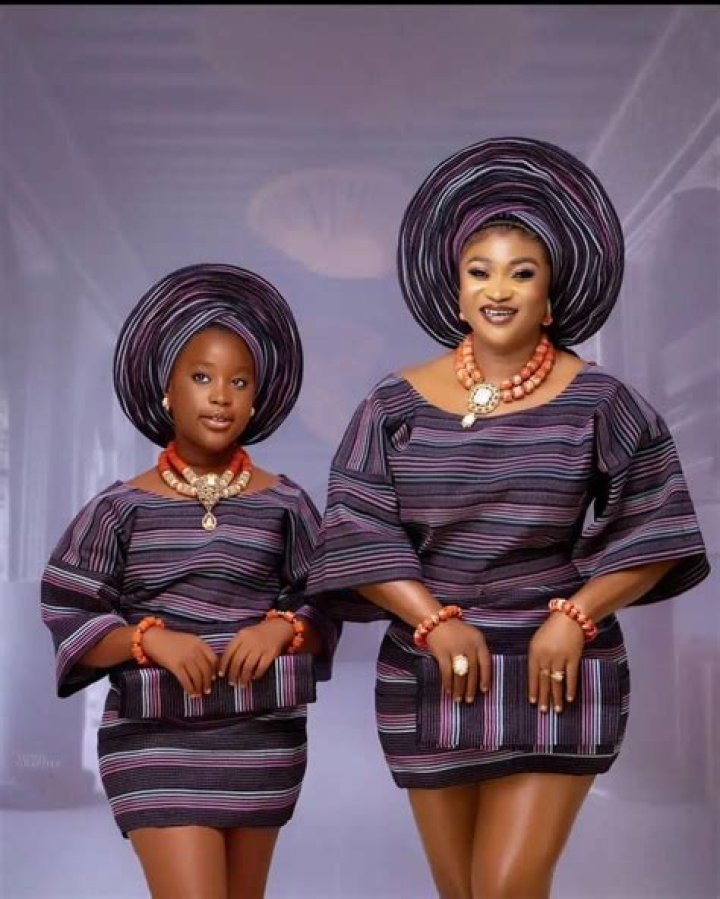
Oleku Iro and Buba styles, also known as Oleku, are a traditional attire worn by women in Nigeria. It consists of a blouse called "iro" and a wrapper called "buba." The iro is usually made of a colorful fabric with intricate patterns, while the buba is typically a plain-colored fabric that complements the iro.
Oleku Iro and Buba styles are not just a fashion statement but also have cultural significance. They are often worn during special occasions such as weddings, festivals, and other important gatherings. The vibrant colors and patterns of the fabrics represent the wearer's personality and social status. Additionally, the attire is believed to bring good luck and prosperity to the wearer.
In recent years, Oleku Iro and Buba styles have gained popularity beyond Nigeria and are now worn by women around the world. The styles have been adapted to suit different tastes and preferences, with designers experimenting with various fabrics, colors, and patterns. However, the traditional elements of the attire remain the same, ensuring that the cultural significance of Oleku Iro and Buba styles continues to be preserved.
Oleku Iro and Buba Styles
Oleku Iro and Buba styles, a traditional Nigerian attire, hold cultural significance and have gained global recognition. Here are nine key aspects that explore various dimensions of this vibrant fashion:
- Cultural Symbolism: Represents identity, tradition, and social status.
- Vibrant Colors: Expresses personality, joy, and celebration.
- Intricate Patterns: Showcases creativity, craftsmanship, and storytelling.
- Versatile Styling: Adaptable to different occasions and preferences.
- Global Influence: Embraced by fashion enthusiasts worldwide.
- Economic Empowerment: Supports local artisans and textile industries.
- Symbol of Femininity: Celebrates and empowers women.
- Fashion Innovation: Designers experiment with modern interpretations.
- Cultural Preservation: Ensures the and appreciation of Nigerian heritage.
These aspects highlight the multifaceted nature of Oleku Iro and Buba styles. They not only serve as beautiful attire but also carry deep cultural significance, promote economic empowerment, and contribute to the preservation of Nigerian heritage. As the popularity of these styles continues to grow globally, they serve as a testament to the beauty and diversity of African fashion.
Cultural Symbolism
In the context of Oleku Iro and Buba styles, cultural symbolism plays a pivotal role in shaping their significance and value. These traditional garments are deeply rooted in Nigerian culture and embody the wearer's identity, heritage, and social standing. The vibrant colors, intricate patterns, and unique designs of Oleku Iro and Buba styles serve as visual cues that communicate the wearer's cultural affiliation and sense of belonging.
The choice of fabric, color, and pattern for Oleku Iro and Buba styles is often influenced by the wearer's ethnic group, social status, and the occasion for which the attire is worn. For instance, during traditional ceremonies and festivals, people often wear Oleku Iro and Buba styles that reflect their cultural heritage and community identity. The use of specific colors and motifs can convey messages about the wearer's marital status, age, and social achievements.
Furthermore, Oleku Iro and Buba styles have evolved over time, incorporating modern elements while preserving their traditional essence. This demonstrates the dynamic nature of cultural symbolism and its ability to adapt to changing societal norms and fashion trends. As these styles continue to gain global recognition, they serve as a testament to the enduring power of cultural heritage and its influence on contemporary fashion and cultural expression.
Vibrant Colors
Oleku Iro and Buba styles are renowned for their vibrant colors, which play a significant role in expressing the wearer's personality, joy, and celebration. The choice of colors is not arbitrary but rather carefully considered to convey specific messages and emotions.
The use of bright and bold colors, such as red, yellow, green, and blue, is common in Oleku Iro and Buba styles. These colors are associated with happiness, energy, and prosperity. They are often worn during festive occasions, such as weddings, birthdays, and cultural celebrations, to create a lively and joyful atmosphere.
Furthermore, different colors can symbolize different personality traits. For example, red is often associated with passion, confidence, and strength, while blue is associated with calmness, serenity, and wisdom. By choosing specific color combinations, wearers can express their individuality and project their desired image.
The vibrant colors of Oleku Iro and Buba styles also have practical significance. In traditional Nigerian communities, colors were used to identify different ethnic groups and social . For instance, certain colors were reserved for royalty or occasions.
In contemporary times, the vibrant colors of Oleku Iro and Buba styles continue to be celebrated and appreciated. These colors bring a sense of joy and vibrancy to any occasion and contribute to the overall aesthetic appeal of these traditional garments.
Intricate Patterns
Within the context of Oleku Iro and Buba styles, intricate patterns hold immense significance. These patterns are not merely decorative elements; they are expressions of creativity, craftsmanship, and storytelling. The patterns are often inspired by nature, traditional symbols, and cultural motifs, and they are meticulously crafted to convey specific messages and meanings.
The patterns on Oleku Iro and Buba styles are created using various techniques, such as weaving, embroidery, and appliqu. Artisans spend countless hours carefully creating each pattern, ensuring precision and detail. The complexity of the patterns is a testament to the skill and artistry of the craftspeople.
Furthermore, the patterns on Oleku Iro and Buba styles often carry symbolic meanings. For example, certain patterns may represent fertility, prosperity, or protection. By wearing these patterns, individuals can express their hopes, aspirations, and beliefs.
The intricate patterns on Oleku Iro and Buba styles also contribute to their overall aesthetic appeal. The vibrant colors and bold patterns create a visually striking effect that is both eye-catching and sophisticated. These patterns elevate the garments from mere clothing to works of art.
In conclusion, the intricate patterns on Oleku Iro and Buba styles are an integral part of their cultural significance and aesthetic value. They showcase the creativity, craftsmanship, and storytelling abilities of the artisans who create them, and they contribute to the overall beauty and meaning of these traditional garments.
Versatile Styling
Oleku Iro and Buba styles are renowned for their versatility, making them adaptable to different occasions and preferences. This characteristic is evident in several key facets:
- Formal Occasions: Oleku Iro and Buba styles are appropriate for formal occasions such as weddings, engagements, and religious ceremonies. The rich fabrics and intricate patterns exude elegance and sophistication, making them a popular choice for special events.
- Casual Wear: Oleku Iro and Buba styles can also be adapted for casual wear. By choosing fabrics that are lightweight and breathable, and opting for simpler patterns, these garments can be transformed into comfortable and stylish everyday outfits.
- Cultural Festivals: Oleku Iro and Buba styles play a significant role in cultural festivals, where they are worn to celebrate and showcase the wearer's heritage. The vibrant colors and traditional motifs of these garments add to the festive atmosphere.
- Modern Interpretations: Contemporary designers have embraced Oleku Iro and Buba styles, reinterpreting them with modern fabrics and silhouettes. This has resulted in a range of stylish and innovative designs that cater to diverse tastes and preferences.
The versatility of Oleku Iro and Buba styles stems from their inherent adaptability. By incorporating different fabrics, patterns, and accessories, these garments can be transformed to suit a wide range of occasions and personal styles. This versatility is a key factor in their enduring popularity and global appeal.
Global Influence
The global influence of Oleku Iro and Buba styles is a testament to their unique appeal and versatility. Fashion enthusiasts around the world have embraced these traditional garments, incorporating them into their wardrobes and showcasing them on international platforms.
- Cultural Exchange: Oleku Iro and Buba styles have become a symbol of cultural exchange, representing the beauty and diversity of Nigerian fashion on a global stage.
- Fashion Inspiration: Designers and fashion enthusiasts alike draw inspiration from Oleku Iro and Buba styles, reinterpreting them with modern fabrics and silhouettes to create innovative and stylish designs.
- Celebrity Endorsements: Celebrities and fashion icons have played a significant role in popularizing Oleku Iro and Buba styles globally. By wearing these garments to high-profile events, they have brought them to the attention of a wider audience.
- Social Media Influence: Social media platforms have been instrumental in showcasing the versatility and appeal of Oleku Iro and Buba styles. Fashion bloggers and influencers share their creative interpretations of these garments, inspiring others to embrace them.
The global influence of Oleku Iro and Buba styles highlights their enduring appeal and their ability to transcend cultural boundaries. As fashion enthusiasts worldwide continue to embrace these traditional garments, they become a symbol of cultural exchange, creativity, and the beauty of diversity in fashion.
Economic Empowerment
The connection between Oleku Iro and Buba styles and economic empowerment is deeply intertwined. These traditional garments play a vital role in supporting local artisans and the textile industry in Nigeria and beyond.
- Income Generation: The production of Oleku Iro and Buba styles provides a source of income for local artisans, including weavers, dyers, and tailors. These skilled individuals rely on the demand for these garments to sustain their livelihoods and support their families.
- Preservation of Traditional Skills: The creation of Oleku Iro and Buba styles requires specialized skills and techniques that have been passed down through generations. By supporting these artisans, we contribute to the preservation of traditional craftsmanship and cultural heritage.
- Promotion of Local Textiles: Oleku Iro and Buba styles are predominantly made from locally produced textiles, such as Aso Oke and Ankara. The demand for these garments helps to stimulate the local textile industry and promotes the use of traditional fabrics.
Beyond their economic benefits, Oleku Iro and Buba styles also contribute to cultural identity and community development. By supporting local artisans and the textile industry, we invest in the preservation of Nigerian culture and empower communities to thrive.
Symbol of Femininity
In the realm of fashion and cultural expression, Oleku Iro and Buba styles hold a profound connection to the celebration and empowerment of women. These traditional garments embody femininity and serve as a symbol of strength, beauty, and cultural pride.
- Cultural Identity and Expression: Oleku Iro and Buba styles are deeply rooted in Nigerian culture and are often worn by women to express their cultural identity. The vibrant colors, intricate patterns, and unique designs of these garments allow women to showcase their heritage and connect with their community.
- Empowerment Through Modesty: Contrary to common misconceptions, Oleku Iro and Buba styles are not merely about revealing the body but rather about celebrating femininity through modest dressing. These garments cover the body while still accentuating a woman's curves and beauty, empowering her to feel confident and respected.
- Symbol of Strength and Resilience: In many Nigerian cultures, Oleku Iro and Buba styles are associated with strength and resilience. Women who wear these garments are often seen as leaders and role models in their communities, embodying the values of hard work, perseverance, and determination.
- Economic Empowerment: The production of Oleku Iro and Buba styles provides economic opportunities for women. Many women are involved in the design, production, and sale of these garments, generating income and supporting their families.
In conclusion, Oleku Iro and Buba styles are not just garments; they are symbols of femininity, cultural identity, empowerment, and strength. By celebrating these traditional styles, we not only appreciate their beauty but also recognize the important role they play in empowering women and preserving Nigerian cultural heritage.
Fashion Innovation
In the realm of fashion, innovation plays a crucial role in keeping traditions alive while adapting to the ever-changing tastes and preferences of consumers. Oleku Iro and Buba styles, like many traditional garments, have undergone a process of modernization, with designers experimenting with fresh interpretations that blend the old with the new.
One significant aspect of this fashion innovation is the incorporation of contemporary fabrics. While traditional Oleku Iro and Buba styles primarily used handwoven fabrics like Aso Oke and Ankara, modern designers have introduced a variety of other materials, including silk, lace, chiffon, and even denim. These fabrics offer greater versatility in terms of texture, drape, and color, allowing designers to create garments that cater to a wider range of tastes and occasions.
Another area of innovation is the exploration of new silhouettes and designs. While the basic structure of the Oleku Iro and Buba remains intact, designers have experimented with different cuts, shapes, and embellishments to create unique and eye-catching pieces. For instance, traditional Buba tops have been reimagined with exaggerated sleeves, peplum waists, and asymmetrical necklines, while Iro wrappers have been adorned with pleats, ruffles, and intricate embroidery.
The fusion of traditional elements with modern innovation has resulted in a range of Oleku Iro and Buba styles that are both stylish and respectful of the garment's cultural heritage. These modern interpretations have not only extended the appeal of these traditional garments but have also contributed to the preservation and evolution of Nigerian fashion.
Cultural Preservation
In the context of fashion and cultural expression, "oleku iro and buba styles" hold a profound connection to the preservation and appreciation of Nigerian heritage. These traditional garments embody the rich cultural traditions, craftsmanship, and storytelling of the Nigerian people.
- Preservation of Traditional Techniques: Oleku iro and buba styles are crafted using traditional techniques and skills that have been passed down through generations. The intricate patterns, vibrant colors, and unique designs are a testament to the artistry and craftsmanship of Nigerian artisans.
- Symbol of Cultural Identity: These garments are deeply rooted in Nigerian culture and are often worn during special occasions such as weddings, festivals, and cultural ceremonies. By wearing Oleku iro and buba styles, individuals not only express their personal style but also connect with their cultural heritage.
- Preservation of Storytelling Traditions: The patterns and motifs used in Oleku iro and buba styles often carry symbolic meanings and tell stories about Nigerian history, mythology, and everyday life. By preserving these garments, we also preserve the stories and traditions they embody.
- Promotion of Cultural Tourism: Oleku iro and buba styles have become a symbol of Nigerian culture and are often sought after by tourists and fashion enthusiasts. This increased visibility helps to promote cultural tourism and generate economic opportunities for local artisans and communities.
In conclusion, the preservation and appreciation of Nigerian heritage is deeply intertwined with the continued existence and celebration of Oleku iro and buba styles. These traditional garments serve as a tangible link to the past, preserving cultural techniques, symbols, and stories, while also contributing to the vibrancy and diversity of Nigerian fashion and culture.
FAQs about Oleku Iro and Buba Styles
This section addresses frequently asked questions about Oleku Iro and Buba styles, providing concise and informative answers to common concerns or misconceptions.
Question 1: What are the origins of Oleku Iro and Buba styles?
Oleku Iro and Buba styles originated from the Yoruba people of southwestern Nigeria. These traditional garments have been worn for centuries and are deeply rooted in Nigerian culture and heritage.
Question 2: What are the different types of Oleku Iro and Buba styles?
There are various types of Oleku Iro and Buba styles, each with its unique design and embellishments. Some popular types include the Iro and Buba Kbi (a fitted top and wrapper), the Iro and Buba Kampala (a loose-fitting top and wrapper), and the Iro and Buba Bub (a long, flowing gown).
Question 3: What occasions are Oleku Iro and Buba styles typically worn for?
Oleku Iro and Buba styles are worn for a variety of special occasions, including weddings, festivals, religious ceremonies, and other cultural events. These garments are considered a symbol of celebration and elegance.
Question 4: How are Oleku Iro and Buba styles made?
Oleku Iro and Buba styles are typically made from handwoven fabrics such as Aso Oke and Ankara. The fabrics are carefully selected and sewn together to create the desired design. The garments are often adorned with intricate embroidery, beads, or other embellishments.
Question 5: How can I style Oleku Iro and Buba styles?
Oleku Iro and Buba styles can be styled in various ways to suit different tastes and preferences. They can be paired with accessories such as head wraps (gele), jewelry, and handbags to complete the look.
Question 6: Where can I buy Oleku Iro and Buba styles?
Oleku Iro and Buba styles can be purchased from various sources, including local markets, boutiques, and online retailers. It is important to choose reputable sellers who offer high-quality garments.
In summary, Oleku Iro and Buba styles are traditional Nigerian garments that are steeped in cultural significance and artistry. They are worn for special occasions and can be styled in diverse ways to express personal style and celebrate Nigerian heritage.
For more information and inspiration, explore the rest of our comprehensive article on Oleku Iro and Buba styles.
Tips for Styling Oleku Iro and Buba Styles
Oleku Iro and Buba styles offer a versatile canvas for creative expression. Here are a few tips to help you elevate your styling and showcase these traditional garments in a modern and sophisticated manner:
Tip 1: Choose Complementary Colors:
When selecting the colors for your Oleku Iro and Buba, consider opting for complementary hues that create a visually appealing contrast. For instance, a vibrant green Iro can be paired with a Buba in a deep shade of purple, or a rich blue Iro can be complemented by a Buba in a warm shade of orange.
Tip 2: Accessorize with Statement Pieces:
Accessories play a pivotal role in completing your Oleku Iro and Buba ensemble. Experiment with bold jewelry, such as chunky necklaces or elaborate earrings, to add a touch of glamour. A statement headwrap (gele) can also elevate your look and add a touch of cultural flair.
Tip 3: Experiment with Different Fabrics:
While traditional Oleku Iro and Buba styles are often made from handwoven fabrics like Aso Oke and Ankara, don't be afraid to experiment with other fabrics that can add a modern twist to your outfit. Consider using silk, lace, or even denim to create a unique and eye-catching look.
Tip 4: Pay Attention to Details:
Intricate details can transform your Oleku Iro and Buba style. Look for garments with unique embroidery, beadwork, or embellishments that add visual interest and sophistication. These details will elevate your outfit and make it stand out.
Tip 5: Accessorize with Footwear:
The right footwear can complete your Oleku Iro and Buba ensemble. Opt for heels or wedges to add height and elegance, or choose flats or sandals for a more casual look. Consider the overall style of your outfit and select footwear that complements the colors and patterns of your garments.
By following these tips, you can take your Oleku Iro and Buba styling to the next level. Embrace the versatility of these traditional garments and experiment with different colors, accessories, and details to create a look that is both stylish and respectful of Nigerian cultural heritage.
Oleku Iro and Buba Styles
This comprehensive exploration of Oleku Iro and Buba styles has delved into the cultural significance, versatility, and modern interpretations of these traditional Nigerian garments. From their vibrant colors and intricate patterns to their adaptability to diverse occasions, Oleku Iro and Buba styles embody the richness and creativity of Nigerian fashion and culture.
As we continue to embrace and celebrate cultural diversity in fashion, Oleku Iro and Buba styles stand as a testament to the enduring power of tradition while inspiring contemporary innovation. These garments serve not only as beautiful attire but also as symbols of identity, empowerment, and the preservation of cultural heritage. By supporting local artisans and promoting cultural appreciation, we can ensure that Oleku Iro and Buba styles continue to thrive and inspire future generations.
Unveiling The Cultural Significance Of "tammy Bruce Feet"
Uncover The Secrets Of The Salish Matter Date Of Birth
Unlocking The Secrets Of Stevie Levine's Extraordinary Net Worth