Discover The Wonders Of Castor Oil For Radiant Teeth And Gums
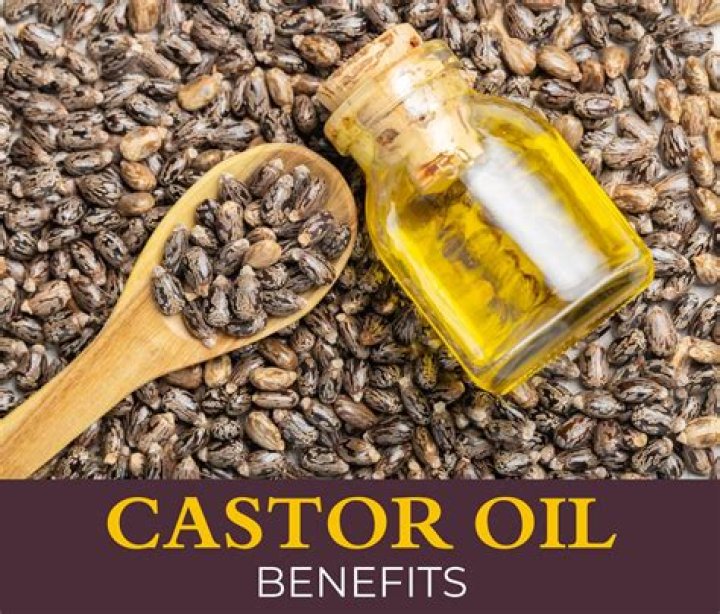
Castor oil, derived from the castor bean plant, has been traditionally employed for various medicinal purposes. Its potential benefits for oral health, particularly for teeth and gums, have garnered attention. Castor oil contains ricinoleic acid, a compound with antimicrobial and anti-inflammatory properties, making it a potential natural remedy for oral ailments.
Historically, castor oil has been used as a laxative and to induce labor. However, its topical application for dental care is a relatively recent exploration. Studies suggest that castor oil may help reduce inflammation of the gums, known as gingivitis, and alleviate toothaches. Its antimicrobial properties may also combat bacteria that contribute to cavities and gum disease.
To utilize castor oil for oral care, it can be applied directly to the affected area using a cotton swab or by adding a few drops to toothpaste. It is generally recommended to dilute castor oil with a carrier oil, such as coconut or olive oil, to reduce its potency. Additionally, castor oil can be incorporated into homemade mouthwashes by mixing it with water and a few drops of essential oils like peppermint or tea tree oil.
How to Use Castor Oil for Teeth and Gums
Castor oil, derived from the castor bean plant, has been traditionally employed for various medicinal purposes. Its potential benefits for oral health, particularly for teeth and gums, have garnered attention. Castor oil contains ricinoleic acid, a compound with antimicrobial and anti-inflammatory properties, making it a potential natural remedy for oral ailments.
- Antimicrobial: Castor oil's ricinoleic acid combats bacteria that contribute to cavities and gum disease.
- Anti-inflammatory: It reduces inflammation of the gums, known as gingivitis.
- Pain Relief: Castor oil can alleviate toothaches.
- Natural Remedy: It offers a natural alternative to conventional oral care products.
- Cost-Effective: Castor oil is relatively inexpensive and accessible.
- Easy Application: It can be applied directly to the affected area or added to toothpaste.
- Versatile: Castor oil can be used as a mouthwash or incorporated into homemade toothpaste.
- Safe for Most: It is generally safe for topical use, although it's advisable to dilute it with a carrier oil.
- Precaution: Castor oil should not be ingested.
- Complementary Therapy: It can complement regular dental care.
Incorporating castor oil into an oral care routine can be beneficial for maintaining healthy teeth and gums. Its antimicrobial and anti-inflammatory properties make it a promising natural remedy for various oral ailments. While castor oil should not be ingested, its topical application can provide relief and support oral hygiene. Further research is warranted to fully understand the extent of its benefits and optimal usage.
Antimicrobial
The antimicrobial properties of castor oil, attributed to its primary component ricinoleic acid, play a crucial role in maintaining oral health. Bacteria are the primary culprits behind cavities and gum disease, two prevalent oral ailments. By combating these harmful bacteria, castor oil offers a natural defense mechanism to protect teeth and gums.
Dental caries, commonly known as cavities, are caused by bacteria that feed on the sugars in food, producing acids that erode tooth enamel. Castor oil's antimicrobial action helps neutralize these acids and inhibits bacterial growth, reducing the risk of cavities.
Similarly, gum disease, including gingivitis and periodontitis, is caused by bacteria that accumulate on the teeth and gums, forming plaque and tartar. The antimicrobial properties of castor oil can help disrupt the formation of plaque and tartar, preventing gum inflammation and bleeding.
Incorporating castor oil into an oral care routine can be a valuable strategy to combat bacteria that contribute to cavities and gum disease. Its natural antimicrobial properties offer a gentle yet effective way to maintain oral hygiene and promote healthier teeth and gums.
Anti-inflammatory
Gingivitis is a common gum disease characterized by inflammation, redness, and bleeding. It occurs when plaque and bacteria accumulate on the teeth and gums, triggering an inflammatory response. Castor oil, with its anti-inflammatory properties, can help reduce this inflammation and alleviate the symptoms of gingivitis.
- Inhibition of Inflammatory Cytokines: Castor oil contains compounds that can inhibit the production of inflammatory cytokines, which are signaling molecules that promote inflammation. By reducing the levels of these cytokines, castor oil helps calm inflamed gums and reduce swelling.
- Antioxidant Activity: Castor oil possesses antioxidant properties that combat free radicals, unstable molecules that can damage cells and contribute to inflammation. By neutralizing free radicals, castor oil helps protect gum tissue from oxidative damage and promotes healing.
- Improved Blood Circulation: Castor oil has been found to improve blood circulation, which is essential for maintaining healthy gums. Improved blood flow brings nutrients and oxygen to the gums, promoting tissue repair and reducing inflammation.
Incorporating castor oil into an oral care routine can be an effective way to reduce inflammation of the gums and support periodontal health. Its anti-inflammatory properties offer a natural approach to managing gingivitis and maintaining healthy gums.
Pain Relief
Toothaches can be excruciating and debilitating, often caused by inflammation, infection, or dental damage. Castor oil, with its anti-inflammatory and antimicrobial properties, offers a natural approach to alleviating toothaches and promoting oral health.
- Anti-inflammatory Action: Castor oil's anti-inflammatory properties help reduce swelling and discomfort associated with toothaches. By calming inflamed tissues, castor oil can provide temporary pain relief.
- Antimicrobial Effects: Toothaches can be caused by bacterial infections within the tooth or gums. Castor oil's antimicrobial properties can help combat these bacteria, reducing infection and alleviating pain.
- Numbing Effect: Castor oil has a mild numbing effect when applied topically. This numbing sensation can help reduce toothache pain and provide temporary relief.
- Improved Blood Circulation: Castor oil can improve blood circulation, which promotes healing and reduces inflammation. Increased blood flow to the affected area can accelerate pain reduction and tissue repair.
Incorporating castor oil into an oral care routine can be a valuable strategy for managing toothaches. Its anti-inflammatory, antimicrobial, and pain-relieving properties offer a natural and effective approach to alleviating tooth pain and promoting oral health.
Natural Remedy
In the realm of oral care, castor oil emerges as a promising natural remedy, offering an alternative to conventional oral care products. Its unique properties make it a viable option for those seeking a holistic approach to maintaining healthy teeth and gums.
- Antimicrobial and Anti-inflammatory Properties: Castor oil's inherent antimicrobial and anti-inflammatory properties make it an effective natural remedy for various oral ailments. It combats bacteria that contribute to cavities and gum disease, while reducing inflammation and swelling associated with gingivitis.
- Gentle on Sensitive Tissues: Unlike some conventional oral care products that may contain harsh chemicals or abrasives, castor oil is gentle on sensitive tissues. Its natural composition makes it suitable for individuals with sensitive teeth and gums.
- Cost-Effective and Accessible: Castor oil is a cost-effective and accessible natural remedy. Its wide availability and affordability make it a practical choice for individuals seeking alternative oral care options.
- Complementary to Regular Dental Care: While castor oil offers numerous benefits, it is important to note that it is not a substitute for regular dental care. Regular visits to the dentist for professional cleanings and checkups are still essential for maintaining optimal oral health.
Incorporating castor oil into an oral care routine can be a valuable strategy for those seeking a natural and effective approach to maintaining healthy teeth and gums. Its antimicrobial, anti-inflammatory, and gentle properties make it a promising alternative to conventional oral care products, complementing regular dental care and promoting overall oral well-being.
Cost-Effective
In the realm of oral care, cost-effectiveness plays a significant role in accessibility and affordability. Castor oil stands out as a budget-friendly option compared to many conventional oral care products.
- Financial Relief: Castor oil's affordability provides financial relief, especially for individuals and families with limited resources. Its cost-effectiveness makes it an attractive option for those seeking a natural and economical approach to maintaining oral health.
- Reduced Barriers to Access: The accessibility of castor oil helps reduce barriers to oral care. Its wide availability in pharmacies, health food stores, and online retailers makes it convenient for individuals to incorporate it into their oral hygiene routines.
- Complementary to Dental Care: While castor oil offers numerous benefits, its cost-effectiveness allows it to be used as a complementary therapy alongside regular dental care. This combination can help individuals maintain optimal oral health without incurring excessive expenses.
- Sustainable Oral Hygiene: The affordability of castor oil promotes sustainable oral hygiene practices. Its cost-effectiveness encourages regular use, contributing to long-term oral health and reducing the risk of costly dental treatments in the future.
Incorporating castor oil into an oral care routine is not only beneficial for maintaining healthy teeth and gums but also aligns with the principles of affordability and accessibility. Its cost-effectiveness makes it a viable option for individuals seeking a natural and economical approach to oral health.
Easy Application
The easy application of castor oil makes it a convenient and accessible natural remedy for oral health. Its versatility allows for direct application to the affected area or incorporation into toothpaste, providing multiple options for effective use.
Applying castor oil directly to the affected area, such as a toothache or inflamed gums, enables targeted treatment. The oil can be applied using a cotton swab or a fingertip, allowing for precise application and immediate relief. This direct approach ensures that the castor oil's beneficial properties are delivered directly to the source of the discomfort, maximizing its therapeutic effects.
Alternatively, adding castor oil to toothpaste offers a convenient and effortless way to incorporate its benefits into a daily oral hygiene routine. A few drops of castor oil can be added to a pea-sized amount of toothpaste, ensuring that the oil is evenly distributed throughout the toothpaste. This method allows for the sustained release of castor oil's properties during brushing, providing continuous protection and nourishment to the teeth and gums.
The easy application of castor oil empowers individuals to take an active role in maintaining their oral health. Its versatility and convenience make it an ideal choice for those seeking a natural and effective approach to oral care.
Versatile
The versatility of castor oil extends its applications in oral care, offering various methods to harness its benefits for teeth and gums. Its unique properties make it suitable for use as a mouthwash or as an ingredient in homemade toothpaste, providing multiple avenues for effective oral hygiene.
- Mouthwash: Castor oil's antimicrobial and anti-inflammatory properties can be utilized in a mouthwash. Adding a few drops of castor oil to a cup of warm water creates a natural mouthwash that helps combat bacteria, reduce inflammation, and promote fresh breath.
- Homemade Toothpaste: Castor oil can be incorporated into homemade toothpaste to enhance its effectiveness. Mixing a few drops of castor oil with baking soda, coconut oil, and essential oils creates a natural toothpaste that provides deep cleaning, reduces inflammation, and supports overall oral health.
The versatility of castor oil empowers individuals to customize their oral care routine based on their preferences and specific needs. Whether used as a mouthwash or incorporated into toothpaste, castor oil offers a natural and effective approach to maintaining healthy teeth and gums.
Safe for Most
Castor oil, derived from the castor bean plant, has gained recognition for its potential benefits in promoting oral health, particularly for teeth and gums. Its antimicrobial and anti-inflammatory properties make it a promising natural remedy for various oral ailments. However, it's important to approach its use with caution, considering its potential side effects and the need for proper application.
- Topical Use: Castor oil is generally considered safe for topical application, meaning it can be applied directly to the skin or affected area. In the context of oral care, this involves applying castor oil directly to the teeth and gums.
- Dilution with Carrier Oil: While castor oil is safe for topical use, it's advisable to dilute it with a carrier oil, such as coconut oil or olive oil, before applying it to the teeth and gums. This helps reduce the oil's potency and minimize any potential irritation or adverse reactions.
- Potential Side Effects: Castor oil is generally well-tolerated, but some individuals may experience mild side effects, such as skin irritation or allergic reactions. It's important to discontinue use and consult a healthcare professional if any adverse reactions occur.
- Ingestion Avoidance: Castor oil should not be ingested, as it can cause gastrointestinal upset and other potential health concerns. Therefore, it's crucial to avoid swallowing castor oil during oral care practices.
Understanding these safety considerations and adhering to proper application techniques are essential for harnessing the benefits of castor oil for teeth and gums while minimizing any potential risks.
Precaution
When considering the use of castor oil for teeth and gums, it is essential to emphasize the importance of avoiding ingestion. This precaution stems from the potential adverse effects associated with consuming castor oil, which differ from its benefits when applied topically to the oral cavity.
- Gastrointestinal Distress: Castor oil, when ingested, can act as a strong laxative, leading to gastrointestinal discomfort, including nausea, vomiting, and diarrhea. These effects can be particularly unpleasant and disruptive to daily activities.
- Dehydration and Electrolyte Imbalance: Excessive ingestion of castor oil can result in dehydration and electrolyte imbalances, as the body loses fluids and essential minerals through diarrhea. This can lead to fatigue, weakness, and other health concerns.
- Drug Interactions: Castor oil may interact with certain medications, affecting their absorption or metabolism. It is important to consult with a healthcare professional before using castor oil if taking any medications.
- Pregnancy and Breastfeeding: Castor oil should not be ingested during pregnancy or breastfeeding, as it may stimulate uterine contractions or pass into breast milk, potentially causing adverse effects.
Understanding these potential risks associated with ingesting castor oil highlights the importance of adhering to the recommended topical application for oral care purposes. Topical use allows for the localized benefits of castor oil on teeth and gums without introducing the risks associated with ingestion.
Complementary Therapy
Incorporating castor oil into an oral care routine can be a valuable complementary therapy to regular dental care. While it should not replace professional dental cleanings and checkups, castor oil offers natural benefits that can support oral health alongside conventional dental practices.
Castor oil's antimicrobial properties combat bacteria that contribute to cavities and gum disease, reducing the risk of oral infections. Its anti-inflammatory properties help alleviate inflammation of the gums, preventing gingivitis and periodontitis. Additionally, castor oil's pain-relieving effects can provide temporary relief from toothaches.
By using castor oil as a mouthwash or adding it to toothpaste, individuals can enhance their daily oral hygiene practices. Its natural properties complement the mechanical action of brushing and flossing, providing additional protection against oral ailments. Furthermore, castor oil's cost-effectiveness and easy application make it an accessible option for those seeking a natural and affordable approach to maintaining healthy teeth and gums.
FAQs on Using Castor Oil for Teeth and Gums
This section addresses frequently asked questions (FAQs) regarding the use of castor oil for teeth and gums, providing clear and informative answers to common concerns or misconceptions.
Question 1: Is castor oil safe to use on teeth and gums?
Answer: Yes, castor oil is generally safe for topical use on teeth and gums. It possesses antimicrobial and anti-inflammatory properties that can benefit oral health. However, it is important to dilute castor oil with a carrier oil, such as coconut or olive oil, before applying it to the oral cavity to reduce its potency and minimize potential irritation.
Question 2: How often can I use castor oil for oral care?
Answer: Castor oil can be incorporated into an oral care routine on a regular basis. It can be used as a mouthwash or added to toothpaste once or twice daily. However, it is important to avoid excessive use, as castor oil can have laxative effects if ingested.
Question 3: Can castor oil cure cavities or gum disease?
Answer: While castor oil has antimicrobial and anti-inflammatory properties that can help prevent and reduce oral infections, it is not a cure for cavities or gum disease. Regular dental checkups and professional cleanings are essential for maintaining optimal oral health and treating existing dental conditions.
Question 4: Is castor oil effective in preventing bad breath?
Answer: Yes, castor oil has antibacterial properties that can help combat bad breath caused by bacteria in the mouth. Using castor oil as a mouthwash or adding it to toothpaste can help reduce bad breath and promote fresh breath.
Question 5: Can castor oil whiten teeth?
Answer: Castor oil does not have significant teeth whitening properties. It is not a substitute for professional teeth whitening treatments or over-the-counter whitening products.
Question 6: Are there any side effects associated with using castor oil for oral care?
Answer: Castor oil is generally safe for topical use on teeth and gums, but some individuals may experience mild side effects, such as skin irritation or allergic reactions. It is important to discontinue use and consult a healthcare professional if any adverse reactions occur. Additionally, castor oil should not be ingested, as it can cause gastrointestinal distress and other potential health concerns.
Summary: Castor oil offers potential benefits for oral health due to its antimicrobial and anti-inflammatory properties. It can be safely incorporated into an oral care routine as a mouthwash or added to toothpaste. However, it is not a substitute for regular dental care and professional treatments. It is important to use castor oil with caution, dilute it with a carrier oil, and avoid ingestion to minimize potential side effects.
Transition: Understanding the proper use and potential benefits of castor oil for teeth and gums is crucial for maintaining good oral hygiene. It can complement regular dental care practices, promoting overall oral health and well-being.
Tips on Using Castor Oil for Teeth and Gums
Incorporating castor oil into an oral care routine can be beneficial for maintaining healthy teeth and gums. Here are some tips to ensure its effective and safe use:
Tip 1: Dilute Castor Oil with a Carrier Oil
Castor oil is highly concentrated, so it is essential to dilute it with a carrier oil, such as coconut oil or olive oil, before applying it to the teeth and gums. This helps reduce its potency and minimize potential irritation.
Tip 2: Use Castor Oil as a Mouthwash
Add a few drops of castor oil to a cup of warm water and use it as a mouthwash. This helps combat bacteria, reduce inflammation, and promote fresh breath.
Tip 3: Add Castor Oil to Toothpaste
Mix a few drops of castor oil with a pea-sized amount of toothpaste. This enhances the effectiveness of the toothpaste, providing deep cleaning, reducing inflammation, and supporting overall oral health.
Tip 4: Apply Castor Oil Directly to Affected Areas
For targeted treatment, apply a few drops of castor oil directly to a toothache or inflamed gums using a cotton swab or fingertip. This provides immediate relief and helps reduce discomfort.
Tip 5: Use Castor Oil Regularly
Regular use of castor oil helps maintain optimal oral health. Incorporate it into your oral care routine once or twice daily for best results.
Tip 6: Avoid Ingesting Castor Oil
Castor oil should not be ingested, as it can cause gastrointestinal distress and other potential health concerns. It is intended for topical use only.
Summary: By following these tips, you can harness the benefits of castor oil for teeth and gums effectively and safely. Remember to dilute castor oil, use it regularly, and avoid ingestion to maximize its positive effects on your oral health.
Transition: Maintaining good oral hygiene is crucial for overall health and well-being. Incorporating castor oil into your oral care routine can be a valuable addition, providing natural support for healthy teeth and gums.
Conclusion
This comprehensive guide has explored the multifaceted applications of castor oil for teeth and gums, shedding light on its potential benefits and providing practical tips for its effective use. Castor oil's antimicrobial and anti-inflammatory properties make it a valuable natural remedy for various oral ailments, including cavities, gum disease, and toothaches.
Incorporating castor oil into an oral care routine is a simple and cost-effective way to promote optimal oral health. Its versatility allows for its use as a mouthwash, toothpaste additive, or targeted treatment for specific concerns. By following the recommended tips, individuals can harness the benefits of castor oil safely and effectively.
Unveiling The Secrets Of Becoming A Femme Fatale
Unlock The Secrets Of Reading "s": Uncover Meaning And Mastery
Unveiling The Secrets Of SignalRGB Lian Li: Discoveries & Insights
What Are The Benefits Of Castor Oil For Hair 2020 Hair Ideas
Can Kids Use Castor Oil Packs Queen of the Thrones®