Discover The Soul-Stirring Power Of Nigerian Praise And Worship Songs
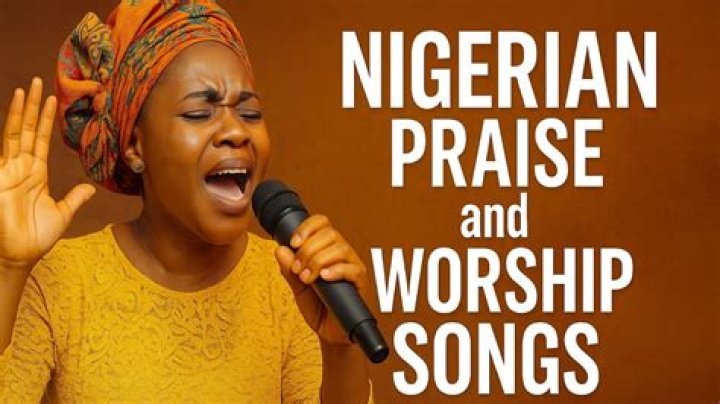
A Nigerian praise and worship songs list is a compilation of religious songs used in Christian churches in Nigeria, typically characterized by energetic rhythms, heartfelt lyrics, and themes of adoration, gratitude, and supplication to God. These songs are often sung in local languages, such as Yoruba, Igbo, and Hausa, and incorporate elements of traditional African music. The lyrics often draw inspiration from the Bible and personal experiences of faith.
Nigerian praise and worship songs have played a significant role in the growth and vibrancy of Christianity in Nigeria, providing a powerful medium for expressing devotion, fostering a sense of community, and inspiring spiritual growth. They have also gained popularity beyond Nigeria's borders, influencing Christian music in other African countries and beyond.
Notable artists in the Nigerian praise and worship scene include Sinach, Nathaniel Bassey, Tope Alabi, and Mercy Chinwo. Their songs have garnered millions of views and streams online, and they have performed on international stages, showcasing the richness and diversity of Nigerian Christian music to a global audience.
Nigerian Praise and Worship Songs List
Nigerian praise and worship songs are a vibrant and essential part of the Christian faith in Nigeria. They are used to express devotion to God, foster a sense of community, and inspire spiritual growth. The songs are often characterized by energetic rhythms, heartfelt lyrics, and themes of adoration, gratitude, and supplication. Notable artists in the Nigerian praise and worship scene include Sinach, Nathaniel Bassey, Tope Alabi, and Mercy Chinwo.
- Theological: Rooted in biblical themes and doctrines.
- Cultural: Incorporate elements of traditional African music and languages.
- Emotional: Express a wide range of emotions, from joy and gratitude to repentance and sorrow.
- Communal: Sung in churches and gatherings, fostering a sense of unity and belonging.
- Inspirational: Uplifting lyrics that encourage and motivate believers.
- Diverse: Represent the rich cultural and linguistic diversity of Nigeria.
- Global: Gaining popularity beyond Nigeria's borders, influencing Christian music worldwide.
- Edifying: Used for spiritual growth and discipleship.
These key aspects highlight the theological depth, cultural significance, emotional power, communal nature, inspirational messages, diversity, global reach, and edifying purpose of Nigerian praise and worship songs. They are not only a form of musical expression but also a vital part of the Christian experience in Nigeria and beyond.
Theological
The theological aspect of Nigerian praise and worship songs is of paramount importance, as it establishes a firm foundation for the songs' content and purpose. The lyrics are deeply rooted in biblical themes and doctrines, drawing inspiration from the scriptures to convey messages of faith, hope, love, and salvation. This theological grounding ensures that the songs are not mere entertainment but rather tools for spiritual growth and discipleship.
For example, many Nigerian praise and worship songs explicitly reference biblical passages, such as Psalm 23 ("The Lord is my shepherd") or John 3:16 ("For God so loved the world"). By incorporating these familiar verses into their songs, the lyrics tap into the rich tapestry of biblical truths and resonate deeply with Christian listeners. Furthermore, the songs often expound on biblical concepts, such as the Trinity, the nature of God, and the work of Christ on the cross. This theological depth not only edifies believers but also serves as an evangelistic tool, introducing non-believers to the core tenets of the Christian faith.
In conclusion, the theological foundation of Nigerian praise and worship songs is essential for their spiritual significance and impact. By rooting their lyrics in biblical themes and doctrines, these songs provide a powerful means of expressing devotion to God, fostering spiritual growth, and sharing the gospel message.
Cultural
The incorporation of elements of traditional African music and languages in Nigerian praise and worship songs is a significant aspect that contributes to their unique character and cultural significance. This fusion creates a vibrant and soulful expression of faith that resonates deeply with Nigerian Christians and beyond.
Traditional African music is characterized by its use of polyrhythms, call-and-response vocals, and percussive instruments. By incorporating these elements into their praise and worship songs, Nigerian artists create a lively and engaging musical experience that connects with the cultural heritage of their audience. The use of local languages further enhances the cultural connection, making the songs more accessible and meaningful to Nigerian Christians.
Moreover, this cultural integration serves as a bridge between the Christian faith and the traditional beliefs and practices of Nigeria. It allows the gospel message to be communicated in a way that is familiar and relatable to the people, fostering a sense of ownership and belonging. By embracing cultural elements, Nigerian praise and worship songs become more than just religious music; they become a celebration of the rich cultural heritage of the nation.
In conclusion, the connection between Nigerian praise and worship songs and traditional African music and languages is vital for understanding their cultural significance and impact. This fusion creates a unique and powerful form of musical expression that resonates deeply with Nigerian Christians, fostering a sense of community, cultural identity, and spiritual connection.
Emotional
Nigerian praise and worship songs excel in expressing a wide range of emotions, capturing the full spectrum of human experiences in relation to God. This emotional depth is a defining characteristic of these songs and contributes significantly to their power and impact.
Joy and gratitude are prevalent themes in Nigerian praise and worship songs, reflecting the exuberant and celebratory nature of the Nigerian Christian faith. Uplifting lyrics and energetic rhythms evoke a sense of happiness, thankfulness, and awe in response to God's goodness and blessings.
However, Nigerian praise and worship songs also delve into deeper emotions such as repentance and sorrow. They acknowledge the reality of sin and human frailty, expressing a longing for forgiveness and reconciliation with God. These songs provide a safe space for Christians to process their emotions, seek comfort, and find hope in God's grace.
The emotional range of Nigerian praise and worship songs is not limited to these extremes; they encompass a rich tapestry of feelings, including adoration, humility, dependence, and trust. By giving voice to these diverse emotions, the songs create a holistic musical experience that ministers to the whole person, providing comfort, encouragement, and spiritual growth.
In conclusion, the emotional depth of Nigerian praise and worship songs is a vital component of their significance and impact. These songs not only express the joy and gratitude of the Christian faith but also acknowledge the full range of human emotions, providing a powerful tool for spiritual growth, emotional healing, and a deeper connection with God.
Communal
Nigerian praise and worship songs are deeply communal in nature, typically sung in churches and gatherings, fostering a powerful sense of unity and belonging among believers. This communal aspect is an integral component of these songs, contributing significantly to their significance and impact.
When Nigerian Christians gather to sing praise and worship songs, they transcend individual differences and unite as one body in Christ. The shared experience of singing creates a sense of, breaking down barriers and promoting a deep sense of connection and belonging. The lyrics often emphasize themes of togetherness, brotherhood, and the of the saints, reinforcing the communal bonds within the Christian community.
Furthermore, the communal singing of Nigerian praise and worship songs has a transformative effect on the participants. It fosters a sense of, encourages active participation in worship, and promotes spiritual growth. The shared experience of lifting voices together in praise and adoration creates a powerful atmosphere that uplifts spirits, strengthens faith, and deepens the connection between believers and God.
In conclusion, the communal nature of Nigerian praise and worship songs is a vital aspect of their significance and impact. Sung in churches and gatherings, these songs foster a powerful sense of unity and belonging among believers, creating a transformative and spiritually enriching experience that strengthens the Christian community and draws individuals closer to God.
Inspirational
In the context of Nigerian praise and worship songs, the inspirational aspect holds immense significance. The lyrics of these songs are a powerful source of encouragement and motivation for believers, uplifting their spirits and inspiring them in their Christian walk.
- Encouragement in Trials: Nigerian praise and worship songs provide solace and encouragement during challenging times. Lyrics that emphasize God's faithfulness, love, and power remind believers of their hope and strength in the midst of adversity.
- Motivation for Spiritual Growth: These songs inspire believers to grow deeper in their faith. They encourage a pursuit of righteousness, holiness, and a closer relationship with God.
- Call to Action: Many Nigerian praise and worship songs include lyrics that challenge believers to live out their faith actively. They encourage involvement in evangelism, community service, and other acts of Christian discipleship.
- Personal Testimony: Some songs share personal testimonies of God's goodness and grace, inspiring listeners to trust in God's faithfulness and to share their own stories of faith.
Through their uplifting lyrics, Nigerian praise and worship songs play a vital role in motivating believers to live a life that glorifies God and impacts the world around them. These songs serve as a constant source of encouragement and inspiration, reminding believers of God's love, power, and purpose for their lives.
Diverse
The diversity of Nigerian praise and worship songs is a reflection of the rich cultural and linguistic diversity of Nigeria itself. With over 500 ethnic groups and more than 500 languages spoken in the country, Nigerian praise and worship songs draw upon a vast reservoir of cultural influences, creating a vibrant and multifaceted musical landscape.
This diversity is evident in the use of different musical styles, rhythms, and harmonies. For example, Igbo praise songs are often characterized by their energetic call-and-response format and use of percussion instruments, while Yoruba praise songs may incorporate elements of traditional Yoruba folk music. The lyrics of these songs are also diverse, reflecting the different languages and dialects spoken in Nigeria. This diversity ensures that there is a wide range of praise and worship songs to connect with people from all backgrounds and cultures within the Nigerian church.
The diversity of Nigerian praise and worship songs is not only a reflection of Nigeria's cultural heritage but also a source of strength and unity for the Nigerian church. By embracing and celebrating the diverse musical and linguistic expressions of its people, Nigerian praise and worship songs foster a sense of inclusivity and belonging, reminding believers that they are part of a larger body of Christ that transcends cultural and linguistic boundaries.
Global
The global popularity of Nigerian praise and worship songs is a testament to their unique blend of musical styles, heartfelt lyrics, and spiritual depth. These songs have resonated with Christians around the world, influencing Christian music and worship practices far beyond Nigeria's borders.
One of the key factors contributing to the global popularity of Nigerian praise and worship songs is their use of captivating rhythms and melodies. The energetic beats and infectious melodies of these songs have made them favorites in churches and Christian gatherings worldwide. Additionally, the heartfelt lyrics, which often draw inspiration from personal experiences of faith and devotion, have connected with Christians from diverse cultural backgrounds.
The influence of Nigerian praise and worship songs on global Christian music can be seen in the increasing number of non-Nigerian artists incorporating elements of Nigerian music into their own songs. For example, the American gospel singer Kirk Franklin has collaborated with Nigerian artists on several projects, blending Nigerian rhythms with his own contemporary gospel style. Furthermore, Nigerian praise and worship songs have been translated into various languages, making them accessible to a wider global audience.
The global popularity of Nigerian praise and worship songs is not only a source of pride for Nigerians but also a significant contribution to the broader Christian music landscape. These songs have enriched Christian worship experiences worldwide, fostering unity and inspiring believers through their powerful messages of faith, hope, and love.
Edifying
Nigerian praise and worship songs play a pivotal role in the spiritual growth and discipleship of believers. Their edifying lyrics and uplifting melodies serve as tools for personal reflection, encouragement, and transformation.
- Promoting Biblical Literacy: Many Nigerian praise and worship songs are rooted in scripture, incorporating verses and themes from the Bible. Through these songs, believers are exposed to God's Word in a captivating and memorable way, fostering a deeper understanding of biblical truths.
- Encouraging Personal Devotion: The reflective nature of Nigerian praise and worship songs encourages believers to engage in personal devotion and meditation. The lyrics often prompt individuals to examine their hearts, reflect on God's goodness, and cultivate a closer relationship with Him.
- Inspiring Holiness and Righteous Living: Many Nigerian praise and worship songs emphasize themes of holiness, righteousness, and obedience to God's commands. By listening to and singing these songs, believers are challenged to live a life that is pleasing to God and to grow in their Christian character.
- Facilitating Spiritual Warfare: Some Nigerian praise and worship songs are specifically designed for spiritual warfare, empowering believers to resist temptation, overcome challenges, and declare victory in Christ's name. These songs provide spiritual strength and encouragement during times of adversity.
In conclusion, the edifying nature of Nigerian praise and worship songs contributes significantly to the spiritual growth and discipleship of believers. Through their biblical foundation, encouragement of personal devotion, promotion of holiness, and facilitation of spiritual warfare, these songs play a vital role in shaping the hearts and minds of Christians, leading them closer to God and empowering them to live a life of faith and purpose.
FAQs on Nigerian Praise and Worship Songs
This section addresses frequently asked questions about Nigerian praise and worship songs, providing concise and informative answers.
Question 1: What are the key characteristics of Nigerian praise and worship songs?
Answer: Nigerian praise and worship songs are characterized by their energetic rhythms, heartfelt lyrics, and themes of adoration, gratitude, and supplication to God. They often incorporate elements of traditional African music and are sung in local languages, fostering a sense of cultural and spiritual connection.
Question 2: How do Nigerian praise and worship songs contribute to Christian worship?
Answer: Nigerian praise and worship songs play a vital role in Christian worship by expressing devotion to God, fostering a sense of community, and inspiring spiritual growth. They create an atmosphere of joy, gratitude, and reverence, facilitating a deeper connection between believers and God.
Question 3: What are some notable artists in the Nigerian praise and worship scene?
Answer: Notable artists in the Nigerian praise and worship scene include Sinach, Nathaniel Bassey, Tope Alabi, and Mercy Chinwo. These artists have gained recognition for their powerful vocals, uplifting lyrics, and ability to connect with audiences on a spiritual level.
Question 4: How have Nigerian praise and worship songs influenced global Christian music?
Answer: Nigerian praise and worship songs have gained popularity beyond Nigeria's borders, influencing Christian music worldwide. Their unique blend of African rhythms, heartfelt lyrics, and spiritual depth has resonated with Christians from diverse cultural backgrounds, leading to their incorporation into worship practices and collaborations with non-Nigerian artists.
Question 5: What is the significance of the lyrics in Nigerian praise and worship songs?
Answer: The lyrics in Nigerian praise and worship songs hold great significance as they convey messages of faith, hope, and love. They often draw inspiration from the Bible, personal experiences, and cultural traditions, expressing a deep connection with God and a desire for spiritual growth.
Question 6: How are Nigerian praise and worship songs used for spiritual growth and discipleship?
Answer: Nigerian praise and worship songs are powerful tools for spiritual growth and discipleship. They encourage personal reflection, promote biblical literacy, inspire holiness, and facilitate spiritual warfare. By engaging with these songs, believers are able to deepen their understanding of God, develop a closer relationship with Him, and live a life of purpose and faith.
Summary: Nigerian praise and worship songs are a vibrant and impactful part of Christian worship, expressing devotion to God, fostering spiritual growth, and influencing Christian music globally. Their energetic rhythms, heartfelt lyrics, and cultural significance make them a powerful medium for connecting with God and experiencing the joy and transformative power of faith.
Transition to the next article section: These FAQs provide a deeper understanding of Nigerian praise and worship songs and their role in Christian worship and spiritual growth. In the next section, we will explore specific examples of these songs and their impact on individuals and communities.
Tips on Utilizing Nigerian Praise and Worship Songs
Nigerian praise and worship songs offer a wealth of benefits for spiritual growth and enrichment. Here are some tips for effectively incorporating these songs into your personal and communal worship experience:
Engage with the Lyrics: Pay close attention to the lyrics of Nigerian praise and worship songs. They often convey profound messages of faith, hope, and love, rooted in biblical truths and personal experiences. Reflect on the lyrics and let them inspire your own spiritual journey.
Embrace the Rhythms and Melodies: Nigerian praise and worship songs are characterized by energetic rhythms and captivating melodies. Allow yourself to be drawn into the music, letting it uplift your spirit and create an atmosphere of joy and celebration.
Use for Personal Devotion: Incorporate Nigerian praise and worship songs into your personal devotion time. Listen to them while meditating on scripture, praying, or simply seeking a deeper connection with God.
Share with Others: Share Nigerian praise and worship songs with others, both within and outside the church community. Introduce them to the beauty and power of these songs, and encourage others to experience their uplifting and transformative effects.
Explore Different Artists and Styles: There is a wide variety of Nigerian praise and worship artists and styles to explore. Listen to different artists and experiment with various musical styles to find those that resonate most deeply with you.
Utilize for Spiritual Growth: Use Nigerian praise and worship songs as tools for spiritual growth. Let their messages challenge you, inspire you to live a life of holiness, and draw you closer to God.
Summary: By incorporating these tips, you can fully immerse yourself in the richness of Nigerian praise and worship songs. Allow these songs to uplift your spirit, deepen your faith, and foster a closer relationship with God.
Transition to the conclusion: These tips provide a practical guide for maximizing the benefits of Nigerian praise and worship songs. As you engage with these songs, may you experience their transformative power and grow in your spiritual journey.
Conclusion
Nigerian praise and worship songs are a vibrant and integral part of Christian worship, reflecting the rich cultural and spiritual heritage of Nigeria. These songs, characterized by their energetic rhythms, heartfelt lyrics, and themes of adoration, gratitude, and supplication, have played a significant role in fostering spiritual growth, promoting unity, and inspiring believers around the world.
The exploration of the "Nigerian praise and worship songs list" has highlighted the theological depth, cultural significance, emotional power, communal nature, inspirational messages, diversity, global reach, and edifying purpose of these songs. They are not merely musical expressions but rather powerful tools for connecting with God, experiencing joy and gratitude, and living a life of faith and purpose.
The Ultimate Guide To Captivating And Effective Clash Of Clans Names
Unveiling The Private Life Of Parisa Fitz-Henley: Uncovering The Secrets Behind The Enigma
Unveiling The Secrets Of Lay Lay Dads: Discoveries And Insights In The LEG8 Niche