Discover The Hidden World Of Ghetto Stores
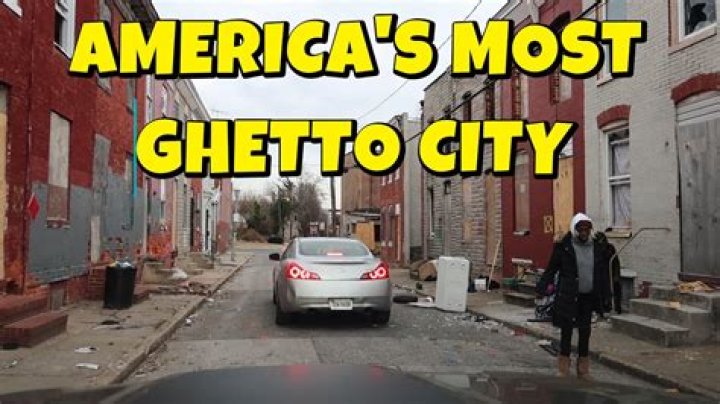
Definition and example of "ghetto store"
A ghetto store is a small, independently-owned grocery store that is located in a low-income, urban area. Ghetto stores often have a limited selection of fresh produce and other healthy foods, and they may also sell alcohol, tobacco, and lottery tickets. These stores are often the only source of food for residents of the neighborhood, and they play an important role in the community.
Importance, benefits, and historical context
Ghetto stores provide a number of important services to the communities they serve. They offer a convenient and affordable way for residents to purchase food and other necessities. They also provide employment opportunities for local residents. In addition, ghetto stores often serve as a gathering place for community members. They are a place where people can socialize, share news, and learn about local events.
Ghetto stores have a long history in the United States. The first ghetto stores were opened in the early 1900s in response to the growing number of African American migrants moving to urban areas. These stores were often owned and operated by African Americans, and they played an important role in the development of black communities.
Transition to main article topics
In recent years, ghetto stores have faced a number of challenges. The rise of chain supermarkets has made it difficult for ghetto stores to compete. In addition, gentrification has led to the displacement of many low-income residents from urban areas. As a result, the number of ghetto stores has declined in recent years.
Despite the challenges they face, ghetto stores continue to play an important role in the communities they serve. They provide a valuable service to residents, and they are a vital part of the fabric of urban life.
Ghetto Store
Ghetto stores are small, independently-owned grocery stores that are located in low-income, urban areas. They often have a limited selection of fresh produce and other healthy foods, and they may also sell alcohol, tobacco, and lottery tickets. Despite the challenges they face, ghetto stores continue to play an important role in the communities they serve.
- Community hub: Ghetto stores are often the only source of food for residents of the neighborhood, and they also serve as a gathering place for community members.
- Affordable: Ghetto stores offer a convenient and affordable way for residents to purchase food and other necessities.
- Employment: Ghetto stores provide employment opportunities for local residents.
- History: Ghetto stores have a long history in the United States, dating back to the early 1900s.
- Culture: Ghetto stores are an important part of the culture of many urban communities.
- Challenges: Ghetto stores face a number of challenges, including competition from chain supermarkets and gentrification.
- Importance: Despite the challenges they face, ghetto stores continue to play an important role in the communities they serve.
- Resilience: Ghetto stores have shown resilience in the face of adversity.
- Community support: Ghetto stores rely on the support of the community to survive.
Ghetto stores are a vital part of the fabric of urban life. They provide a valuable service to residents, and they are a place where people can come together to socialize and share news. Despite the challenges they face, ghetto stores continue to play an important role in the communities they serve.
Community hub
Ghetto stores are often the only source of food for residents of the neighborhood, and they also serve as a gathering place for community members. This is because ghetto stores are typically located in low-income areas where residents may not have access to other grocery stores or community centers. Ghetto stores provide a place for residents to purchase food and other necessities, as well as a place to socialize and connect with their neighbors.
The importance of ghetto stores as a community hub cannot be overstated. For many residents, the ghetto store is the only place where they can purchase fresh produce, bread, and other essential foods. The store may also be the only place where residents can access social services, such as food stamps or WIC. In addition, the ghetto store may be the only place where residents can gather to socialize and share news.
There are many examples of the important role that ghetto stores play in their communities. For example, in the city of Chicago, the Chatham Food Co-op is a worker-owned grocery store that has been serving the Chatham community for over 40 years. The co-op provides affordable, healthy food to residents of the community, and it also offers a variety of social programs, such as cooking classes and nutrition counseling. Another example is the People's Grocery in Oakland, California. The People's Grocery is a non-profit grocery store that provides affordable, healthy food to residents of the community. The store also offers a variety of social programs, such as a community kitchen and a food pantry.
The practical significance of understanding the connection between ghetto stores and community hubs is that it can help us to better support these important institutions. By understanding the role that ghetto stores play in their communities, we can develop policies and programs that help to strengthen these stores and ensure that they continue to serve the needs of their communities.
Affordable
Ghetto stores play a vital role in providing affordable and convenient access to food and other necessities for residents of low-income urban areas. These stores often offer a wider selection of products than other stores in the area, and their prices are typically lower. This makes them an essential resource for families and individuals who are struggling to make ends meet.
- Lower prices: Ghetto stores are often able to offer lower prices than other stores in the area because they have lower operating costs. They may also be able to negotiate better deals with suppliers because they buy in bulk.
- Wider selection: Ghetto stores often have a wider selection of products than other stores in the area. This is because they cater to a diverse customer base with a variety of needs.
- Convenient location: Ghetto stores are often located in convenient locations, making them easy for residents to access. This is especially important for residents who do not have access to reliable transportation.
The affordability and convenience of ghetto stores make them an essential resource for low-income families and individuals. These stores help to ensure that residents have access to the food and other necessities they need to live healthy and productive lives.
Employment
Ghetto stores play a vital role in providing employment opportunities for local residents. These stores are often owned and operated by members of the community, and they provide jobs that are accessible to people with a variety of skills and experience levels. This can be especially important in low-income areas where other employment opportunities may be scarce.
- Job creation: Ghetto stores create jobs for local residents, which can help to boost the local economy and reduce unemployment.
- Economic empowerment: Ghetto stores provide opportunities for local residents to gain valuable job skills and experience, which can help them to improve their economic .
- Community investment: Ghetto stores are often owned and operated by members of the community, which means that the profits from the store stay in the community and can be reinvested in local businesses and initiatives.
- Diversity and inclusion: Ghetto stores are often more likely to hire employees from a diverse range of backgrounds, including people who may face barriers to employment elsewhere.
The employment opportunities provided by ghetto stores are essential for the economic and social well-being of low-income communities. These stores provide jobs, training, and economic empowerment to local residents, and they help to create a more vibrant and sustainable community.
History
Ghetto stores have a long and rich history in the United States, dating back to the early 1900s. These stores have played a vital role in the development of black communities and have been a source of food, employment, and social connection for generations of African Americans.
- Origins: The first ghetto stores were opened in the early 1900s in response to the growing number of African American migrants moving to urban areas. These stores were often owned and operated by African Americans, and they played an important role in the development of black communities.
- Segregation: During the era of segregation, ghetto stores were often the only places where African Americans could buy food and other necessities. These stores were often located in black neighborhoods and were owned and operated by black entrepreneurs.
- Civil Rights Movement: The Civil Rights Movement had a significant impact on ghetto stores. The movement led to the desegregation of many public spaces, including grocery stores. As a result, African Americans began to have more choices in where they shopped. However, ghetto stores continued to play an important role in black communities.
- Decline: In recent years, the number of ghetto stores has declined. This is due to a number of factors, including the rise of chain supermarkets and the gentrification of many urban neighborhoods. However, ghetto stores continue to play an important role in some communities.
The history of ghetto stores is a complex and fascinating one. These stores have played a vital role in the development of black communities and have been a source of food, employment, and social connection for generations of African Americans.
Culture
Ghetto stores play a vital role in the culture of many urban communities. They are often the only source of food and other necessities for residents of low-income neighborhoods, and they also serve as a gathering place for community members. Ghetto stores are a place where people can come to socialize, share news, and learn about local events.
- Community hub: Ghetto stores are often the only source of food for residents of low-income neighborhoods, and they also serve as a gathering place for community members. This is because ghetto stores are typically located in areas where residents may not have access to other grocery stores or community centers.
- Cultural identity: Ghetto stores are often seen as a symbol of cultural identity for residents of low-income urban communities. The stores often sell products that are specific to the culture of the community, and they may also host cultural events.
- Economic empowerment: Ghetto stores can be an important source of economic empowerment for residents of low-income urban communities. The stores provide jobs for local residents, and they also help to circulate money within the community.
- Social capital: Ghetto stores can help to build social capital in low-income urban communities. The stores provide a place for residents to come together and interact with each other. This can help to create a sense of community and belonging.
The connection between ghetto stores and culture is a complex and multifaceted one. Ghetto stores are more than just places to buy food and other necessities. They are also important cultural institutions that play a vital role in the lives of residents of low-income urban communities.
Challenges
Ghetto stores are a vital part of the fabric of many urban communities. However, these stores face a number of challenges, including competition from chain supermarkets and gentrification. These challenges can make it difficult for ghetto stores to survive and continue to serve their communities.
- Competition from chain supermarkets
Chain supermarkets have a number of advantages over ghetto stores. They are typically larger and have a wider selection of products. They also have more resources to invest in marketing and advertising. This can make it difficult for ghetto stores to compete. - Gentrification
Gentrification is the process of renovating and improving a deteriorated urban area. This can lead to increased property values and rents. As a result, ghetto stores may be forced to close or relocate.
The challenges facing ghetto stores are significant. However, these stores are an important part of the community. They provide affordable food and other necessities to residents of low-income neighborhoods. They also serve as a gathering place for community members. It is important to support ghetto stores and help them to overcome the challenges they face.
Importance
Ghetto stores are a vital part of many low-income urban communities. They provide affordable food and other necessities to residents, and they also serve as a gathering place for community members. Despite the challenges they face, ghetto stores continue to play an important role in these communities.
One of the reasons why ghetto stores are so important is that they are often the only source of food for residents of low-income neighborhoods. Chain supermarkets are often not located in these neighborhoods, and even if they are, they may be too expensive for many residents. Ghetto stores, on the other hand, are typically located in convenient locations and offer affordable prices.
Another reason why ghetto stores are important is that they serve as a gathering place for community members. Residents can come to ghetto stores to socialize, share news, and learn about local events. This can be especially important in communities where there are few other places for residents to gather.
The practical significance of understanding the importance of ghetto stores is that it can help us to better support these important institutions. By understanding the role that ghetto stores play in their communities, we can develop policies and programs that help to strengthen these stores and ensure that they continue to serve the needs of their communities.
Resilience
Ghetto stores are an important part of many low-income urban communities. They provide affordable food and other necessities to residents, and they also serve as a gathering place for community members. Despite the challenges they face, ghetto stores have shown resilience in the face of adversity.
One of the reasons why ghetto stores are so resilient is that they are often owned and operated by people who are deeply committed to their community. These store owners are willing to work long hours and make sacrifices in order to keep their stores open. They are also willing to adapt to the changing needs of their community. For example, many ghetto stores have begun to sell healthier food options in response to the growing demand for healthier food in low-income communities.
Another reason why ghetto stores are so resilient is that they have the support of their community. Residents of low-income communities know that ghetto stores are an important part of their community. They are willing to support these stores by shopping there and by spreading the word about them to others.
The resilience of ghetto stores is a testament to the strength of the communities they serve. These stores are a vital part of these communities, and they will continue to play an important role in the years to come.
The practical significance of understanding the resilience of ghetto stores is that it can help us to better support these important institutions. By understanding the factors that contribute to the resilience of ghetto stores, we can develop policies and programs that help to strengthen these stores and ensure that they continue to serve the needs of their communities.
Community support
Ghetto stores are an important part of many low-income urban communities. They provide affordable food and other necessities to residents, and they also serve as a gathering place for community members. However, ghetto stores rely on the support of the community to survive.
There are a number of ways that the community can support ghetto stores. One way is to shop at these stores. By shopping at ghetto stores, residents can help to ensure that these stores remain open and continue to provide essential services to the community. Another way to support ghetto stores is to spread the word about them to others. Residents can do this by talking about ghetto stores to their friends and family, or by writing positive reviews online.
Community support is essential for the survival of ghetto stores. By supporting these stores, residents can help to ensure that they continue to provide essential services to the community.
The practical significance of understanding the connection between ghetto stores and community support is that it can help us to develop policies and programs that support these important institutions. For example, we can develop programs that provide financial assistance to ghetto stores, or we can develop policies that make it easier for ghetto stores to operate in low-income communities.
FAQs about Ghetto Stores
Ghetto stores are a type of small, independently-owned grocery store that is typically located in a low-income, urban area. These stores often have a limited selection of fresh produce and other healthy foods, and they may also sell alcohol, tobacco, and lottery tickets. Ghetto stores play an important role in the communities they serve, but they also face a number of challenges.
Question 1: What is a ghetto store?
A ghetto store is a small, independently-owned grocery store that is typically located in a low-income, urban area.
Question 2: What are the challenges facing ghetto stores?
Ghetto stores face a number of challenges, including competition from chain supermarkets, gentrification, and a lack of access to fresh produce and other healthy foods.
Question 3: Why are ghetto stores important?
Ghetto stores play an important role in the communities they serve. They provide affordable food and other necessities to residents, and they also serve as a gathering place for community members.
Question 4: What can be done to support ghetto stores?
There are a number of things that can be done to support ghetto stores, including shopping at these stores, spreading the word about them to others, and advocating for policies that support these important institutions.
Question 5: Are ghetto stores a good thing?
Ghetto stores can be a good thing for the communities they serve. They provide affordable food and other necessities to residents, and they also serve as a gathering place for community members. However, ghetto stores also face a number of challenges, including competition from chain supermarkets, gentrification, and a lack of access to fresh produce and other healthy foods.
Question 6: What is the future of ghetto stores?
The future of ghetto stores is uncertain. These stores face a number of challenges, but they also play an important role in the communities they serve. It is important to support ghetto stores and help them to overcome the challenges they face.
Summary of key takeaways or final thought: Ghetto stores are an important part of the communities they serve. They provide affordable food and other necessities to residents, and they also serve as a gathering place for community members. However, ghetto stores face a number of challenges, including competition from chain supermarkets, gentrification, and a lack of access to fresh produce and other healthy foods. It is important to support ghetto stores and help them to overcome the challenges they face.
Transition to the next article section: Ghetto stores are a complex and important part of the urban landscape. They face a number of challenges, but they also play an important role in the communities they serve. It is important to understand the challenges facing ghetto stores and to work to support these important institutions.
Tips for Supporting Ghetto Stores
Ghetto stores are a vital part of many low-income urban communities. They provide affordable food and other necessities to residents, and they also serve as a gathering place for community members. However, ghetto stores face a number of challenges, including competition from chain supermarkets and gentrification. It is important to support ghetto stores and help them to overcome these challenges.
Tip 1: Shop at ghetto stores.
One of the best ways to support ghetto stores is to shop at these stores. By shopping at ghetto stores, you can help to ensure that these stores remain open and continue to provide essential services to the community.
Tip 2: Spread the word about ghetto stores.
Another way to support ghetto stores is to spread the word about them to others. You can do this by talking about ghetto stores to your friends and family, or by writing positive reviews online.
Tip 3: Advocate for policies that support ghetto stores.
You can also support ghetto stores by advocating for policies that support these important institutions. For example, you can contact your local elected officials and let them know that you support policies that provide financial assistance to ghetto stores or that make it easier for ghetto stores to operate in low-income communities.
Tip 4: Volunteer your time at a ghetto store.
If you have the time, you can also volunteer your time at a ghetto store. This is a great way to show your support for these important institutions and to help them to continue to provide essential services to the community.
Tip 5: Donate to a ghetto store.
If you are able, you can also donate money to a ghetto store. This is a great way to help these stores to stay open and continue to provide essential services to the community.
Summary of key takeaways or benefits: By following these tips, you can help to support ghetto stores and ensure that they continue to play an important role in low-income urban communities.
Transition to the article's conclusion: Ghetto stores are a vital part of the communities they serve. It is important to support these stores and help them to overcome the challenges they face.
Conclusion
Ghetto stores are a vital part of the communities they serve. They provide affordable food and other necessities to residents, and they also serve as a gathering place for community members. However, ghetto stores face a number of challenges, including competition from chain supermarkets and gentrification. It is important to support ghetto stores and help them to overcome these challenges.
There are a number of things that can be done to support ghetto stores, including shopping at these stores, spreading the word about them to others, and advocating for policies that support these important institutions. By supporting ghetto stores, we can help to ensure that they continue to play an important role in low-income urban communities.
Unveil The Enchanting World Of Asp Pink Whisper
Unlock The Secrets Of Two-Ingredient Pumpkin Bread With Cake Mix
Discover The Low-Carb Secret To Bagel Bliss: Keto Bagels With Almond Flour And Greek Yogurt
I found this store in the ghetto Meme Guy
The Price is Right ain't no place for hood folks.